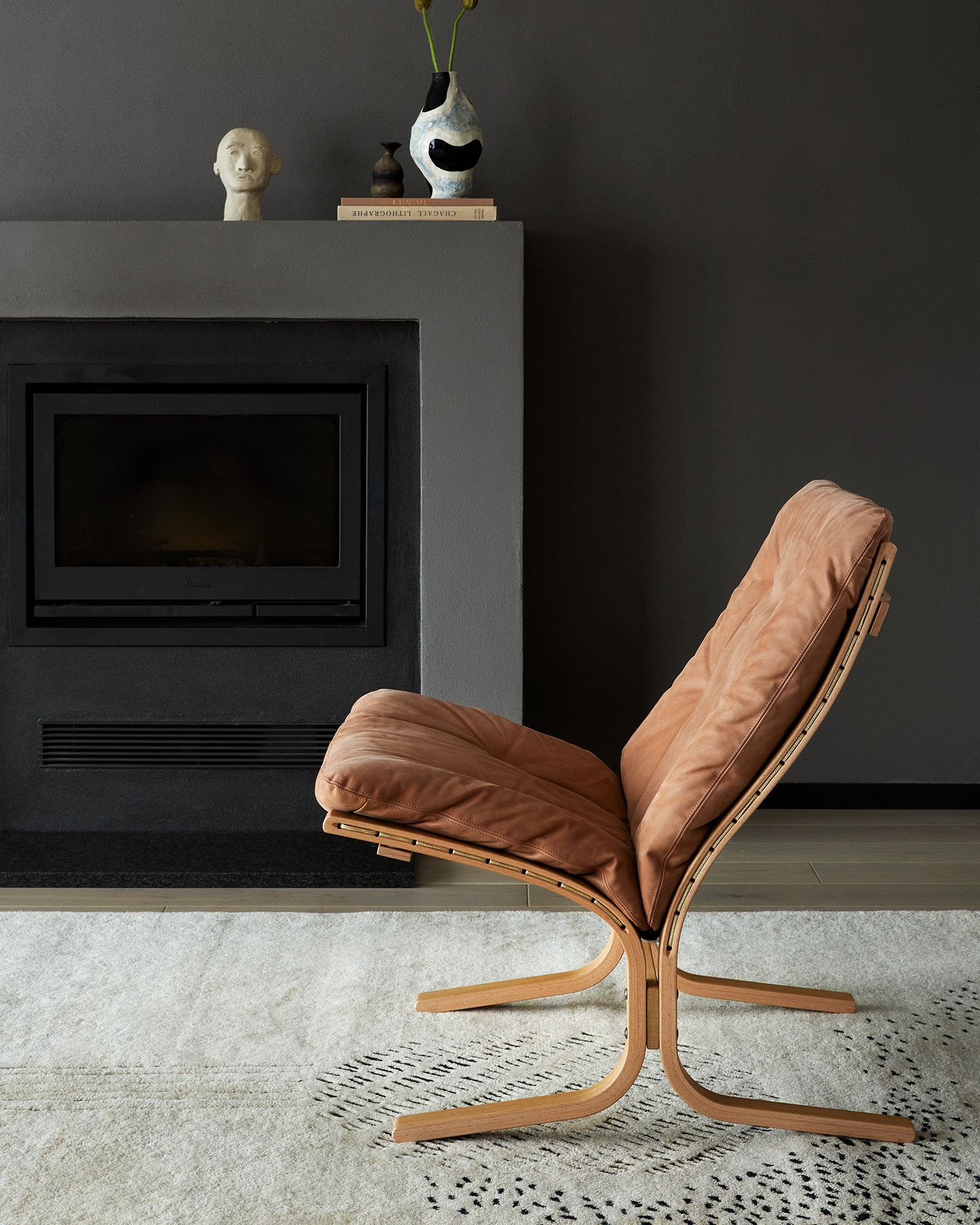
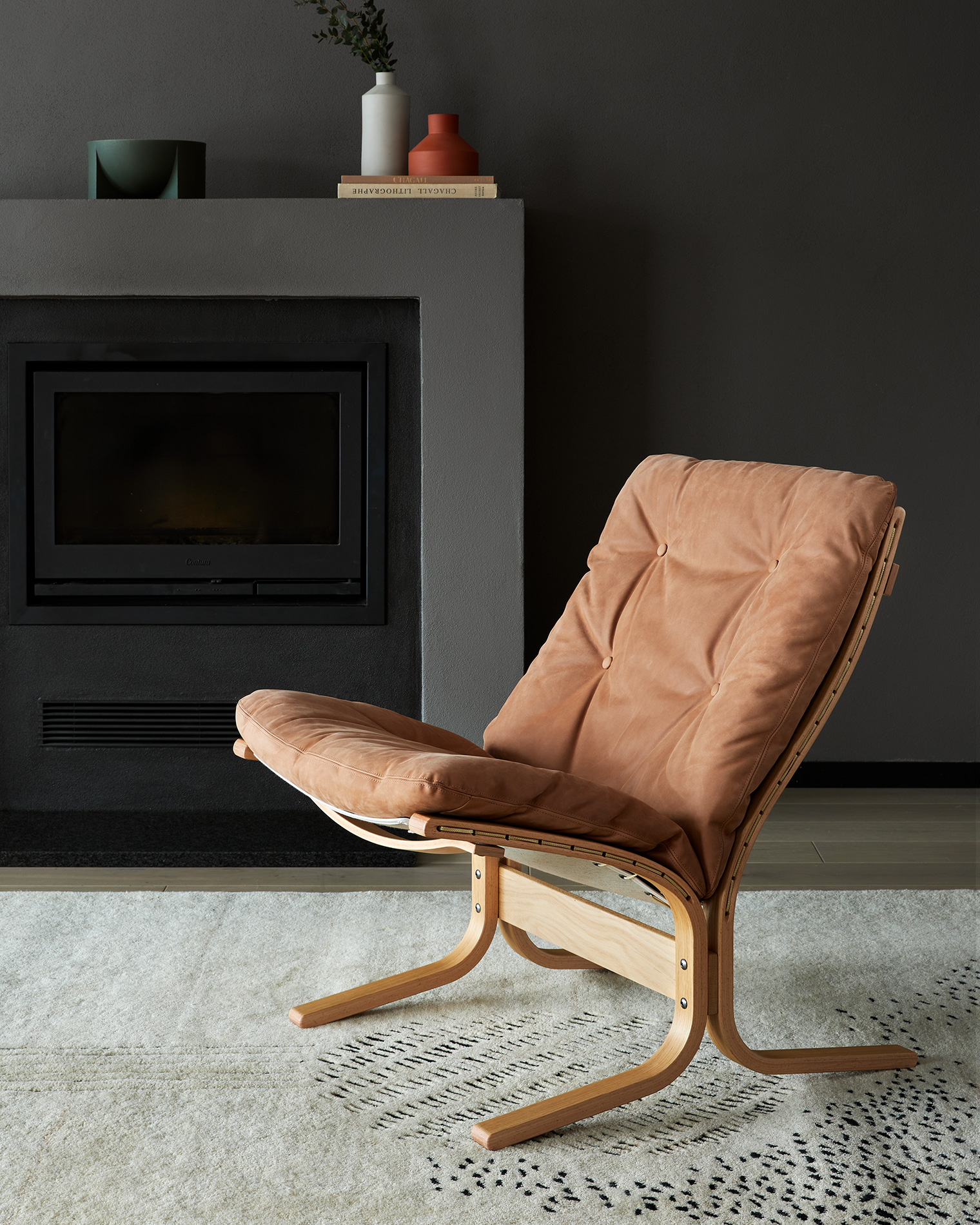
Siesta Classic by LK Hjelle. Rest as form.
Some pieces are understood the moment they are used. Siesta Classic is one of them. An armchair that transforms the act of sitting into a true pause, a place to stop and settle. It accompanies everyday rhythms with calm, turning rest into a natural and necessary gesture.
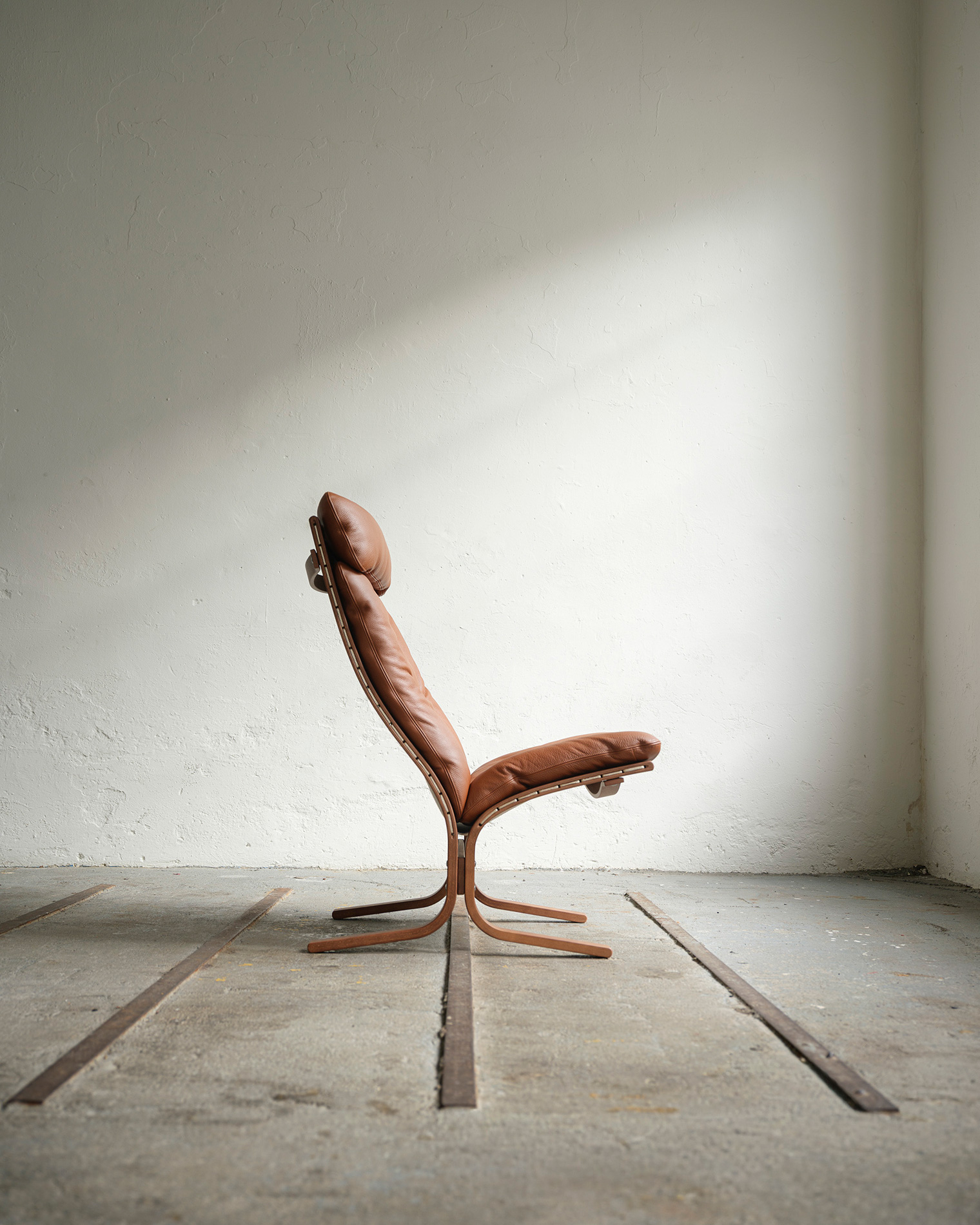
Designed in 1965 by Ingmar Relling, the piece was born from a clear idea: reducing the object to the essential in order to achieve maximum comfort. Its light, almost invisible structure supports a cushion system that naturally embraces the body, creating an immediate sense of well-being.
Lightness and comfort.
The relationship between structure and upholstery defines its character. The frame, subtle and slightly flexible, brings both visual and structural lightness, allowing the piece to breathe within the space. This flexibility introduces a gentle movement that responds to the body.
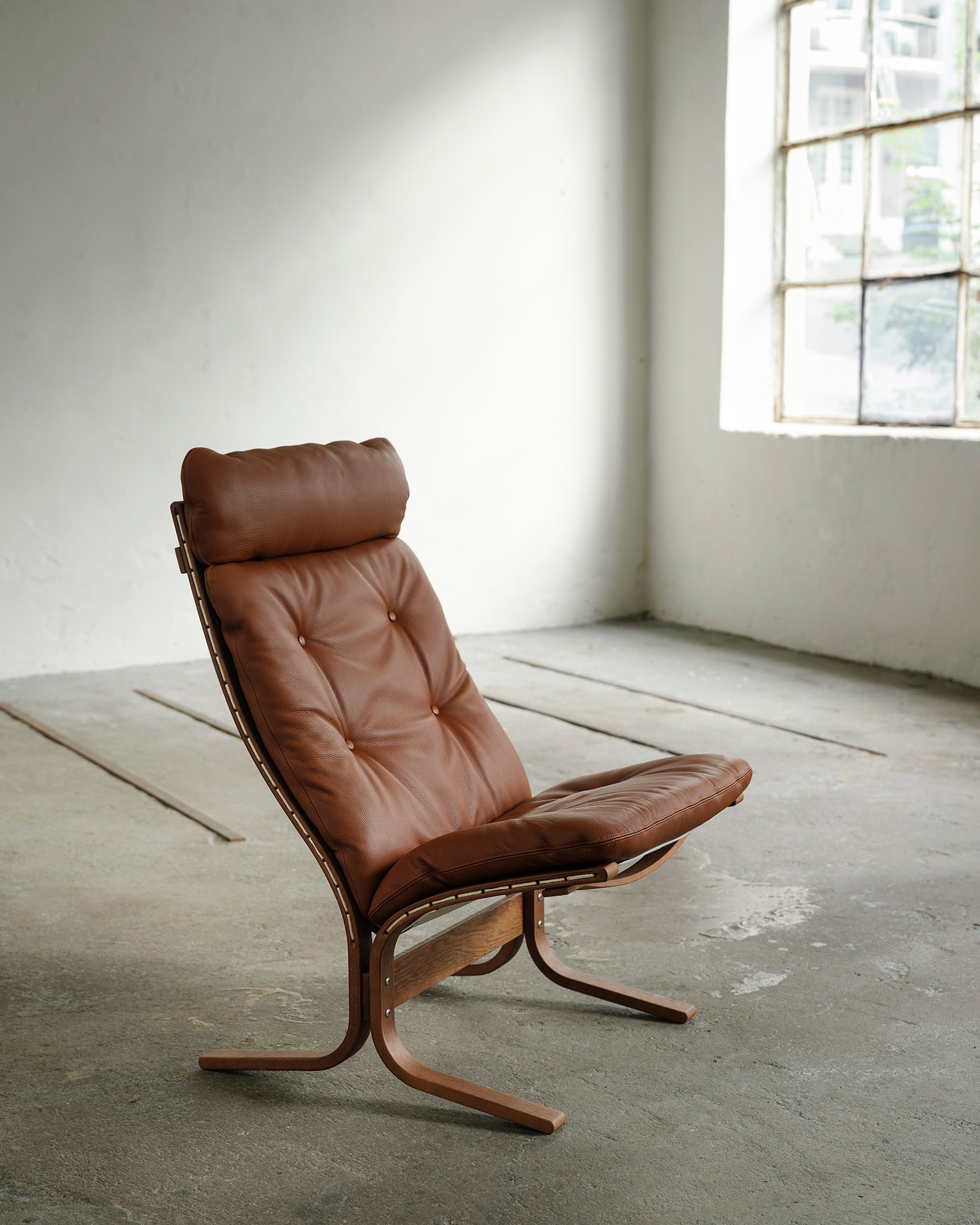
The cushions, generous and enveloping, add a warmer and more domestic dimension. They not only provide comfort, but also balance the lightness of the structure with a sense of welcome. The result is a piece where every element fulfils a precise role: to support, adapt and accompany.
An icon that evolves.
More than half a century later, Siesta Classic remains relevant not only because of its aesthetic, but because of its construction logic. Each of its components is designed to be replaceable, extending its lifespan and allowing it to adapt over time. A way of understanding design through responsibility and permanence.
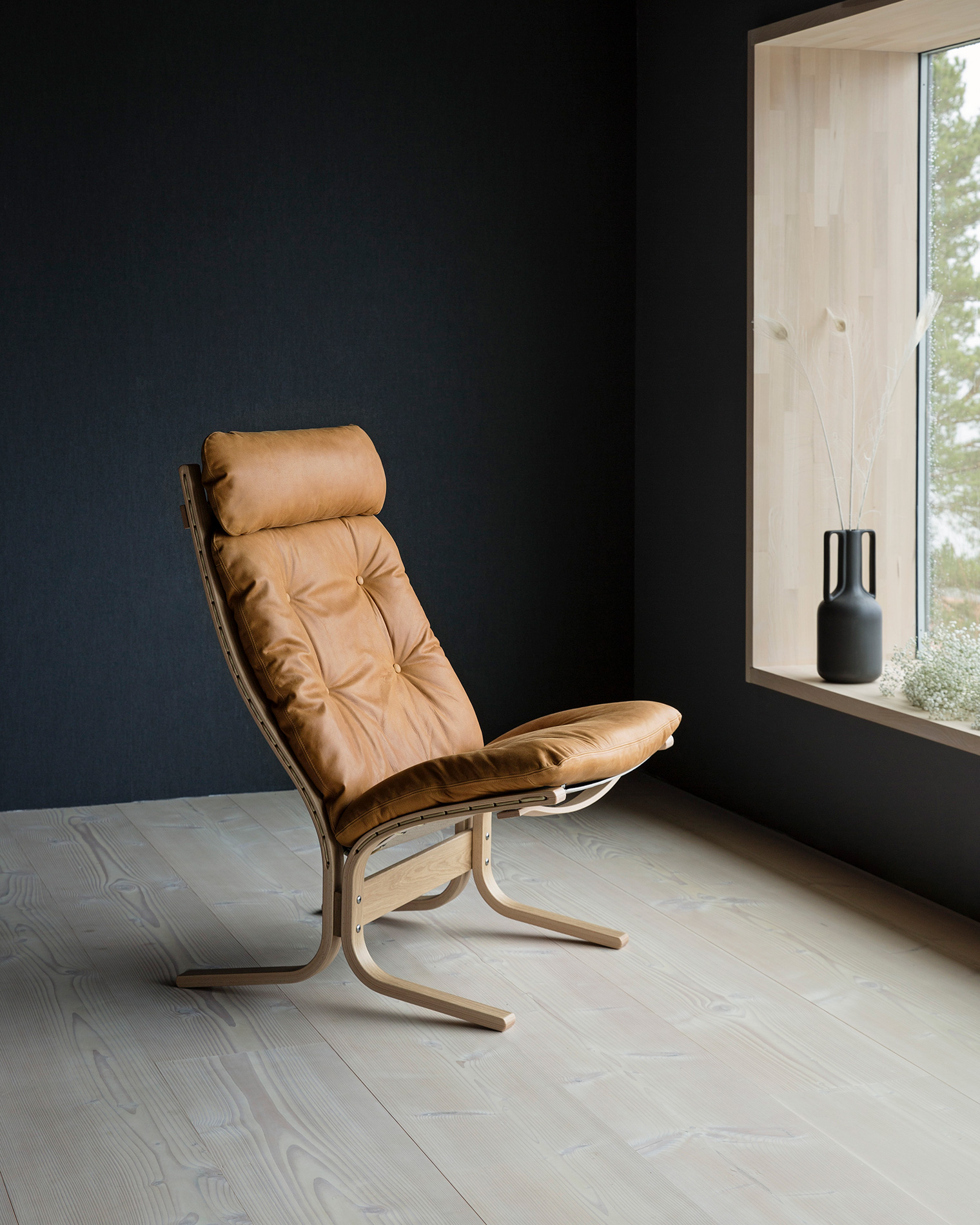
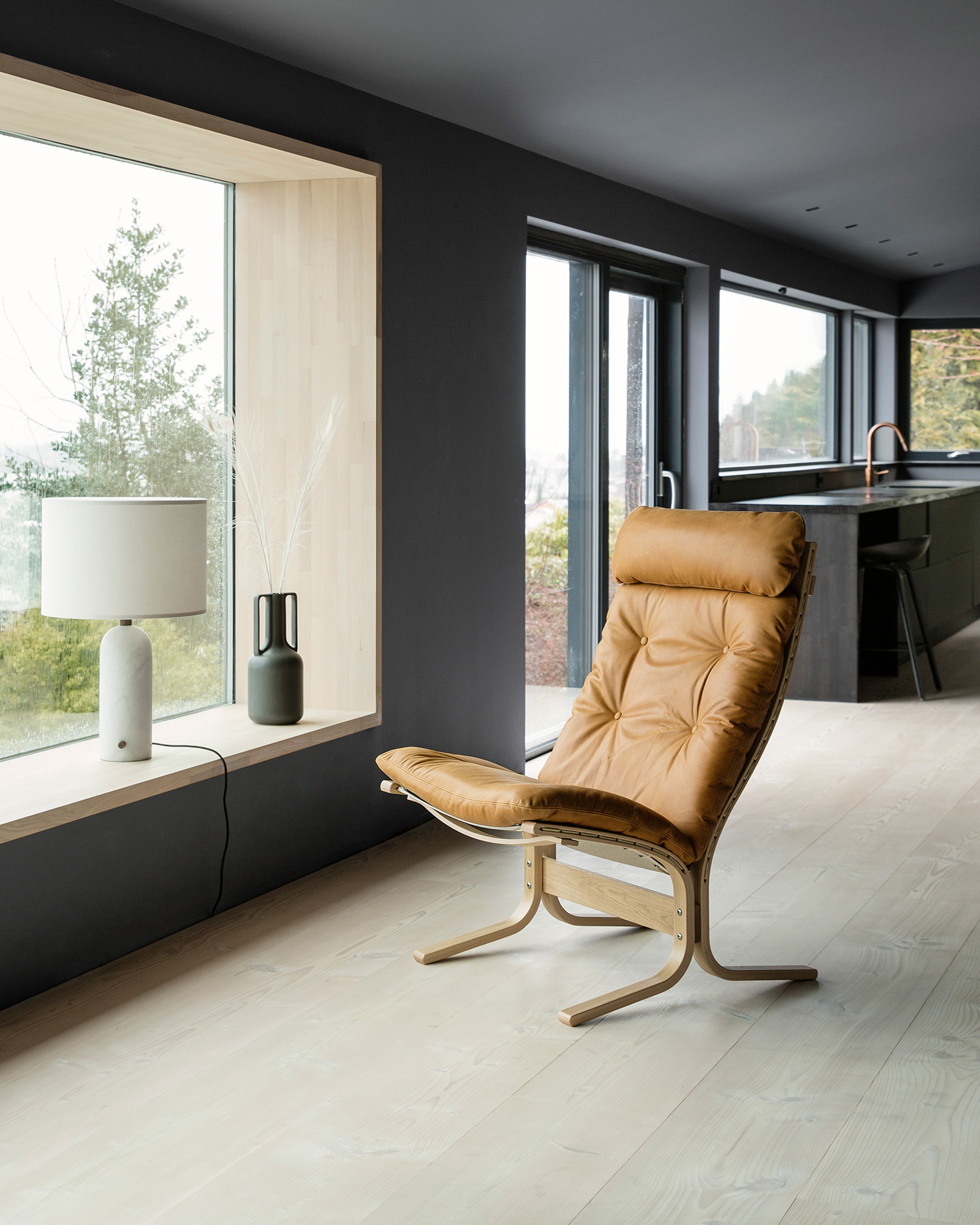
Available in several versions, with different combinations of canvas and frame, and upholstered in fabric or leather depending on the model, Siesta offers multiple configurations. Variations that do not alter its essence, but allow each piece to find its place.
A gesture that remains.
Siesta Classic is part of the history of Norwegian design and its international legacy. But beyond its recognition, what defines it is its ability to continue functioning today with the same clarity it had at its origin.
Because there are objects that do not change. They do not need to. They simply remain.
Related posts