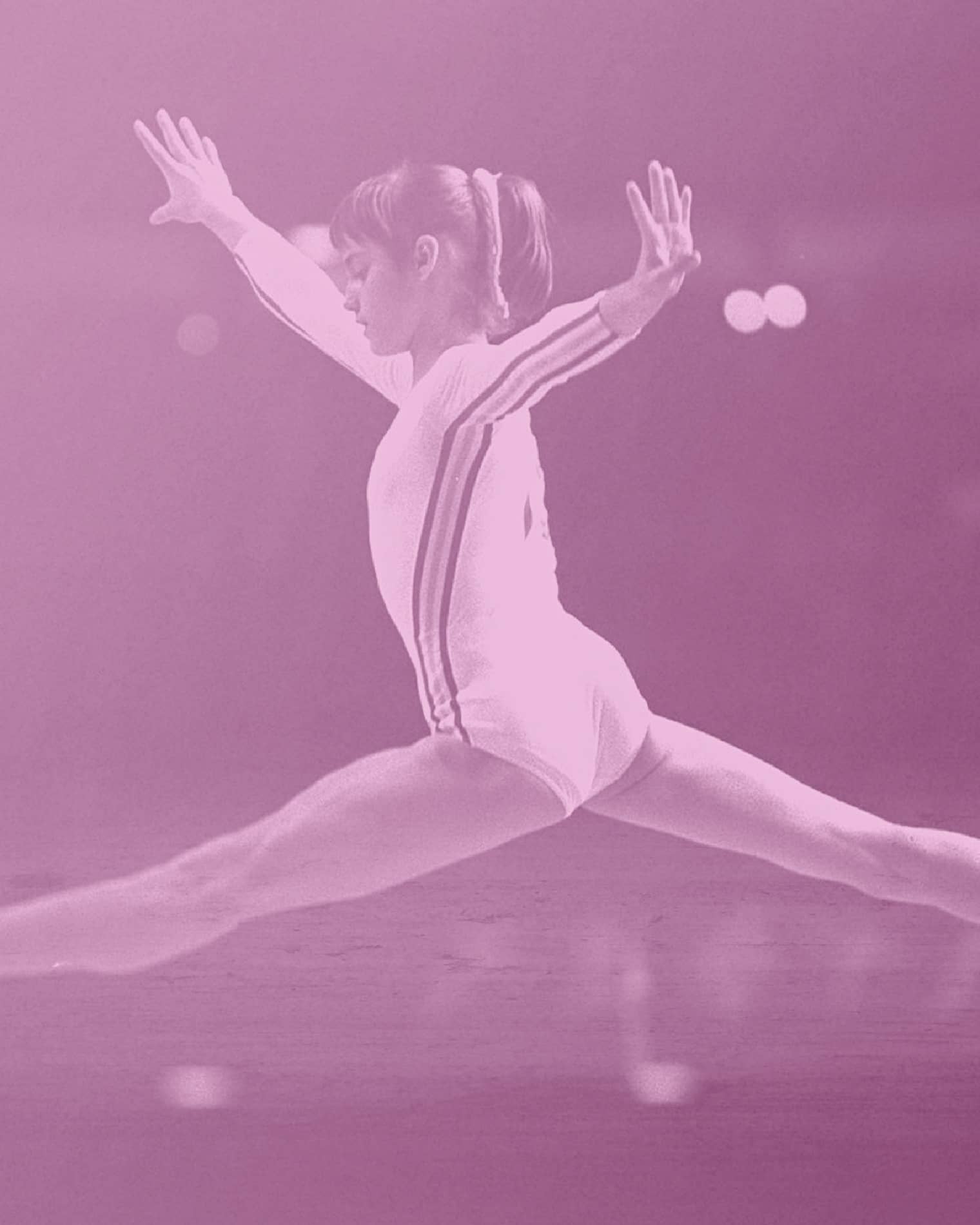
Precision as a form of excellence.
There are moments when history changes without making noise. In 1976, during the Summer Olympics in Montreal, Nadia Comăneci performed a routine that allowed no correction. A perfect score had not been anticipated. The system itself did not account for perfection.
But it happened.
Her gesture was not only technical. It was a way of understanding work: repeating until refining, insisting until clarity is achieved. In her case, excellence was not an isolated result, but the consequence of precision sustained over time.
Nadia found the extraordinary through control. Every movement responded to an exact logic, where balance, measure and discipline constructed a form that appeared simple, yet was profoundly demanding.
In her trajectory, there is no shortcut. There is repetition. There is a constant will to improve, refining every detail until it becomes naturally integrated into the execution.
And that is where the exceptional appears.
Not as a spectacular gesture, but as the sum of correct decisions. As the ability to make complexity feel natural. And although the effort is invisible, it is present in every step, every movement and every decision.
Nadia Comăneci reminds us of the value of time, consistency and precision. That excellence is not the result itself, but the way it is achieved.
And that what is truly exceptional never needs explanation.
Related posts