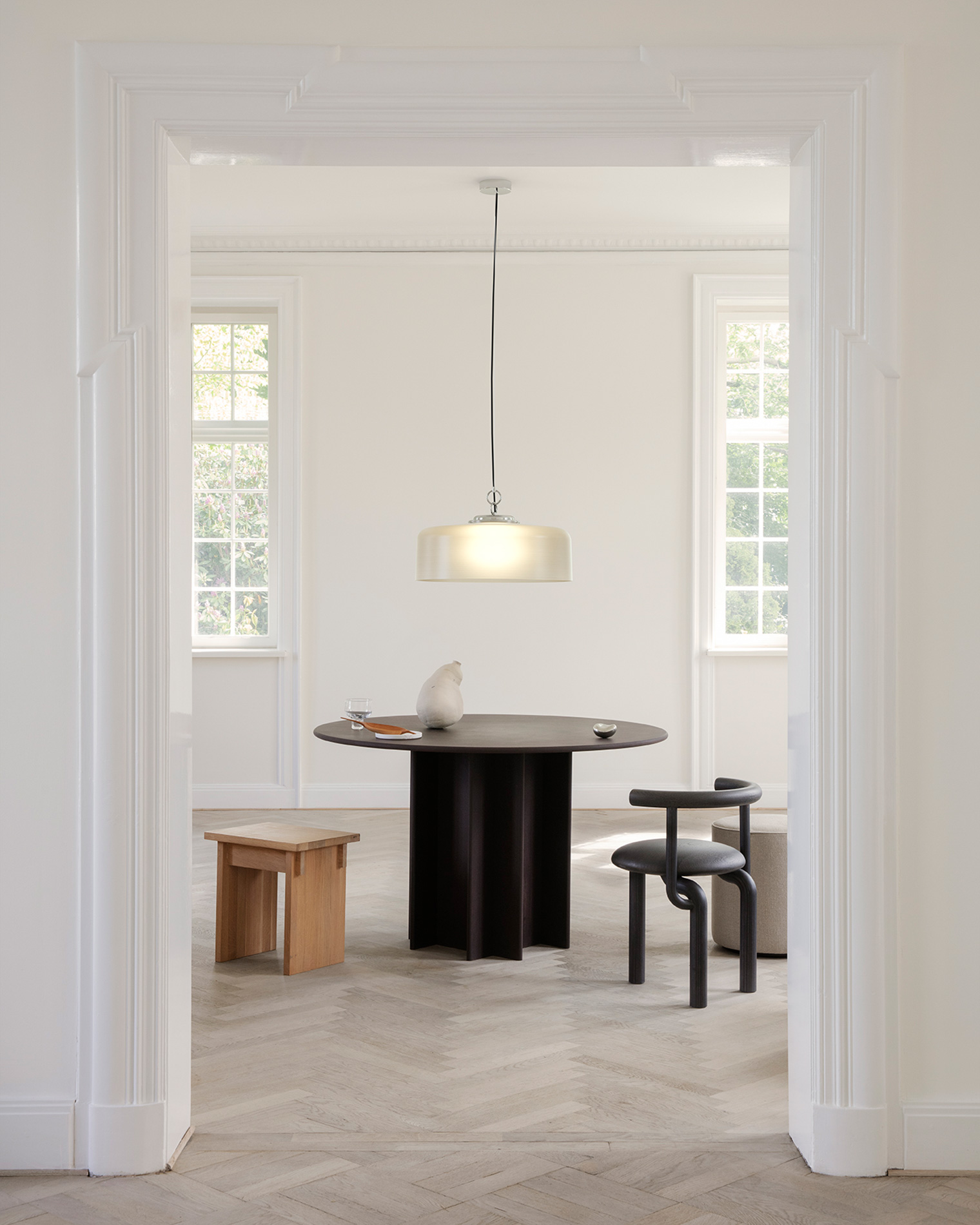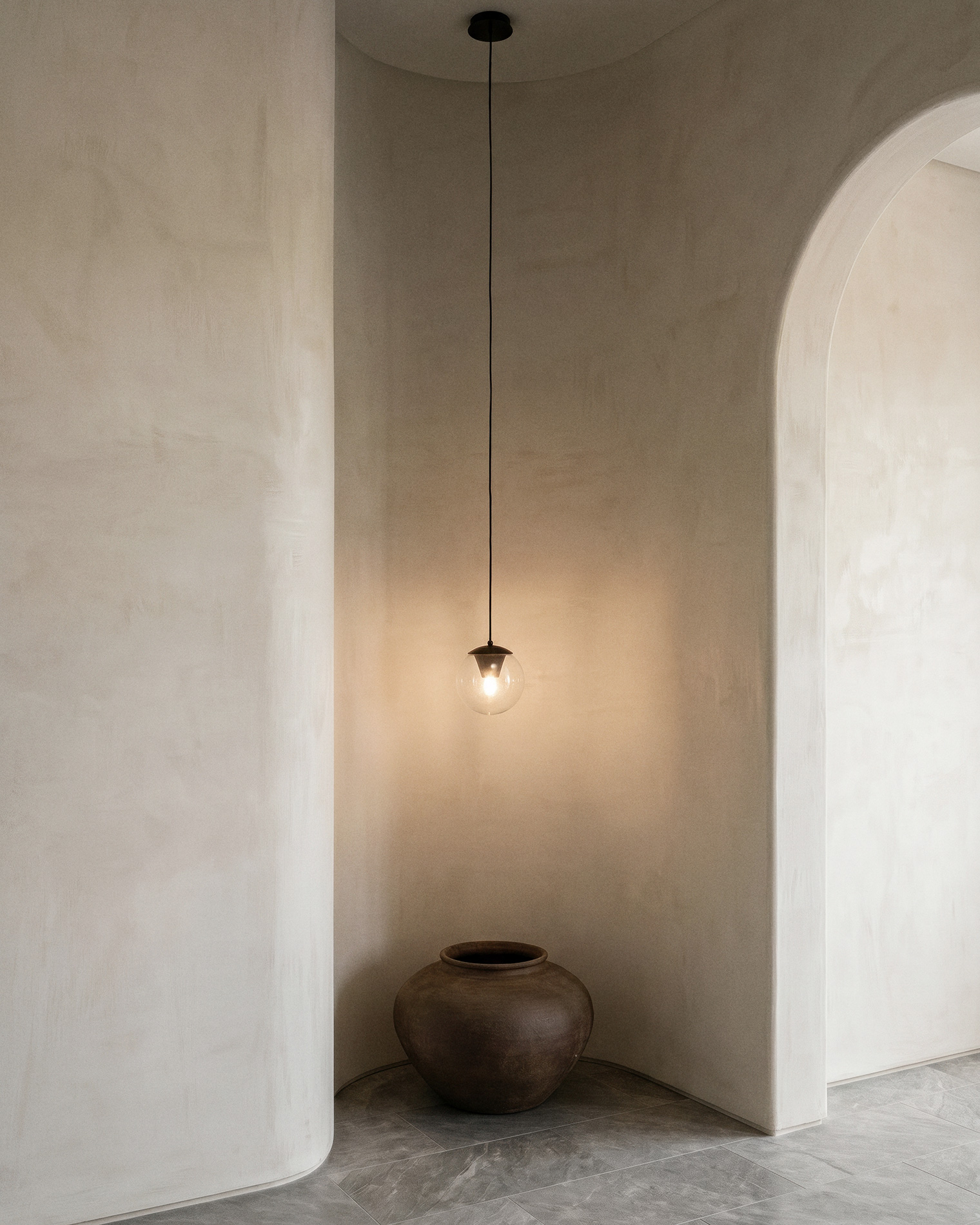
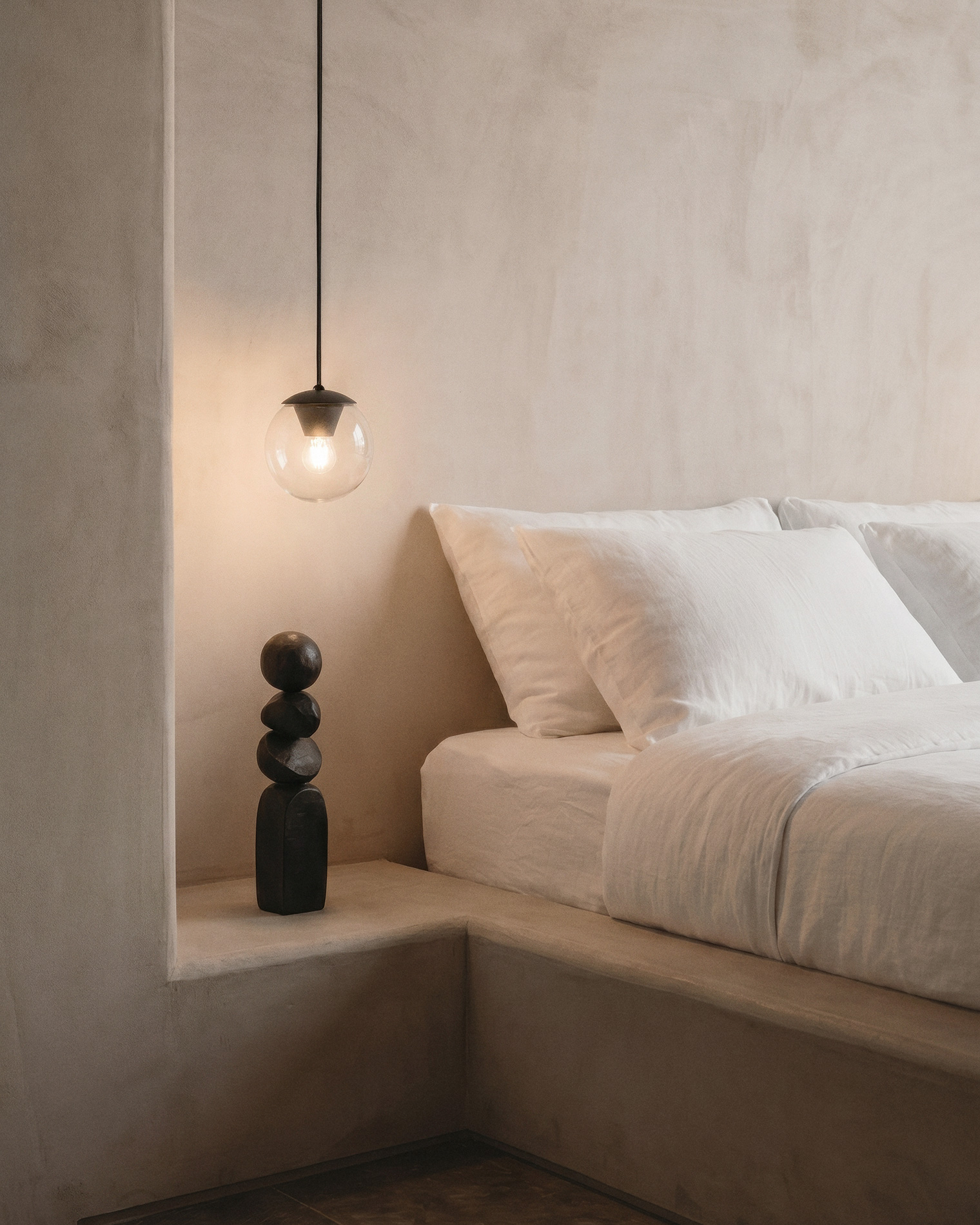
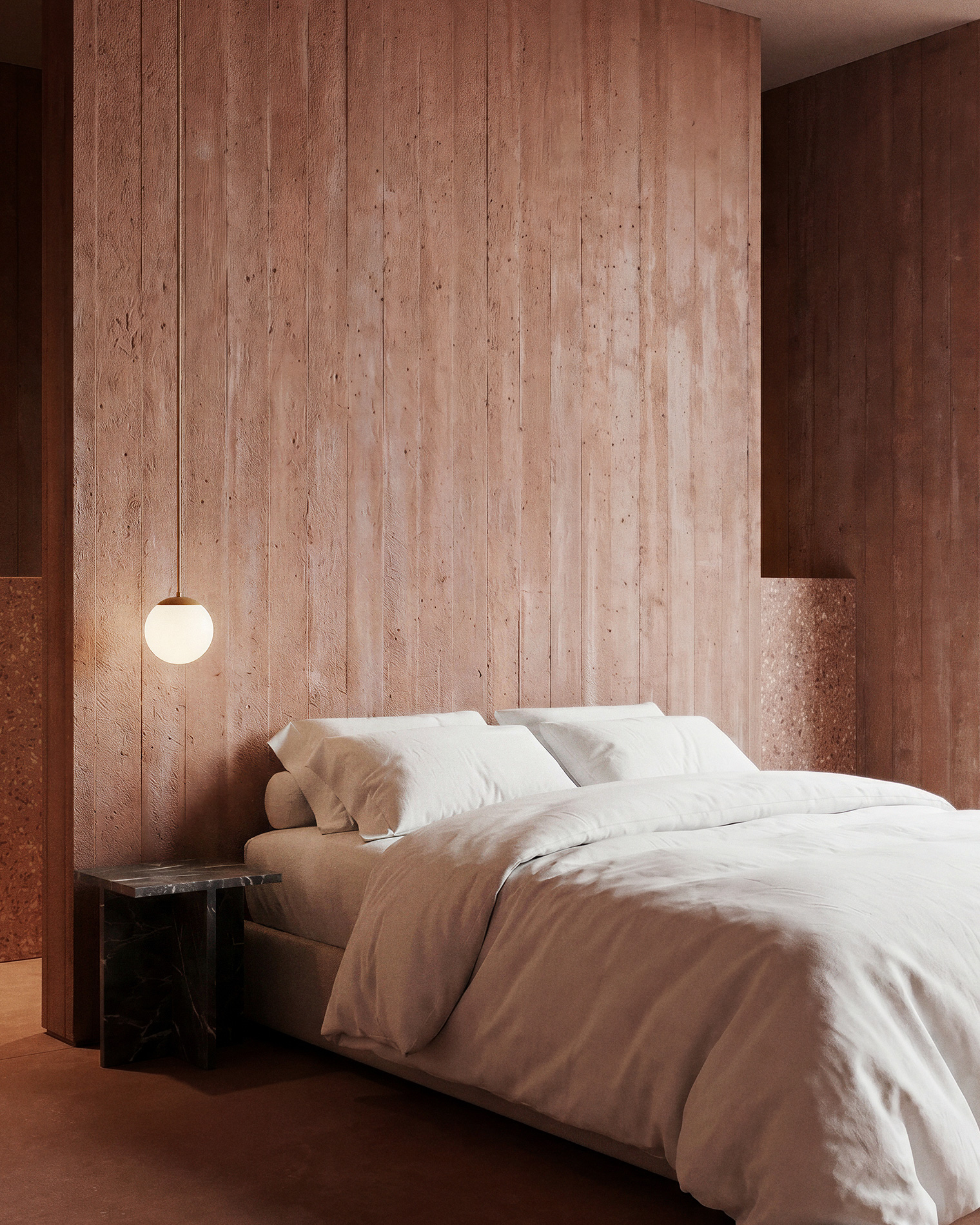
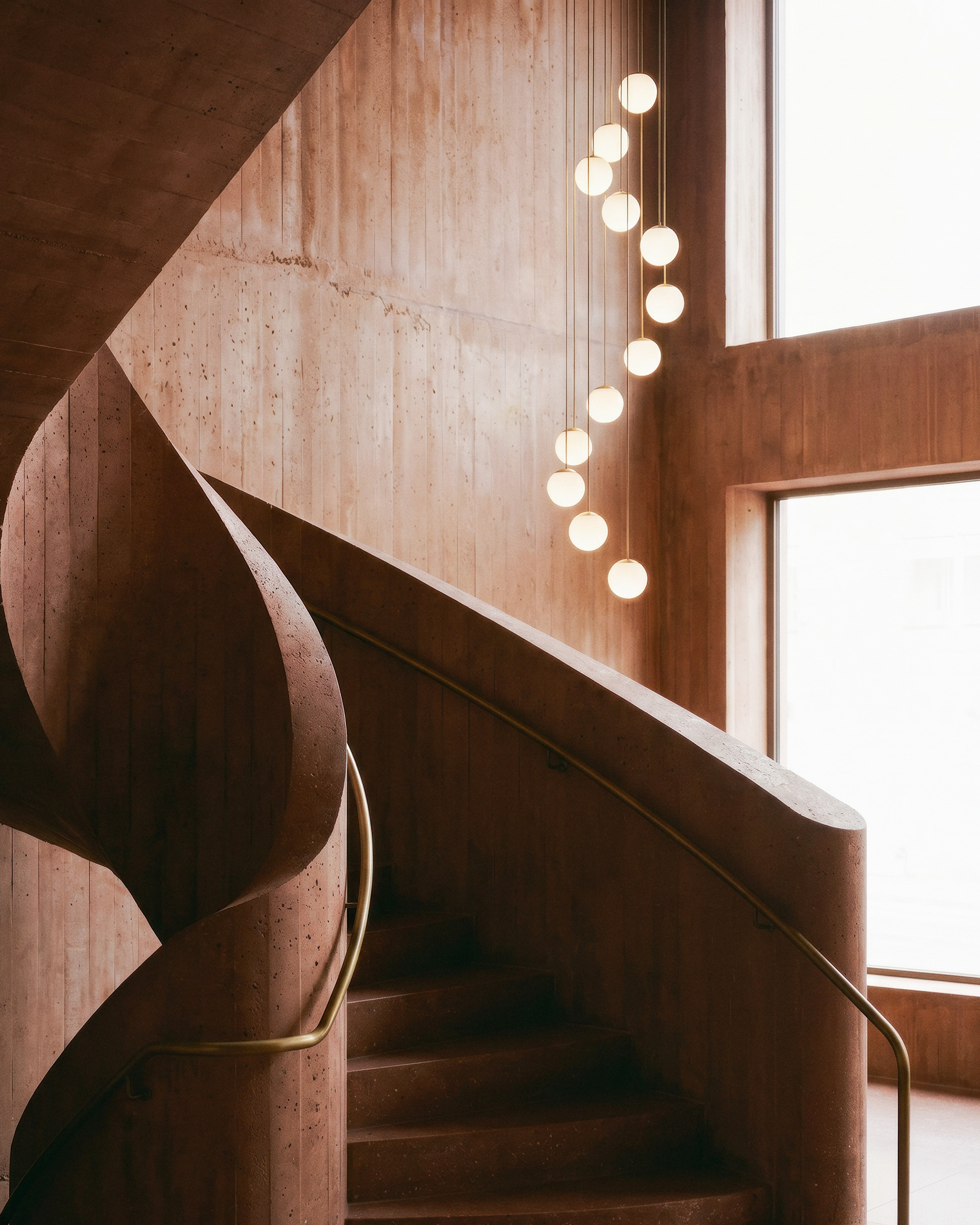
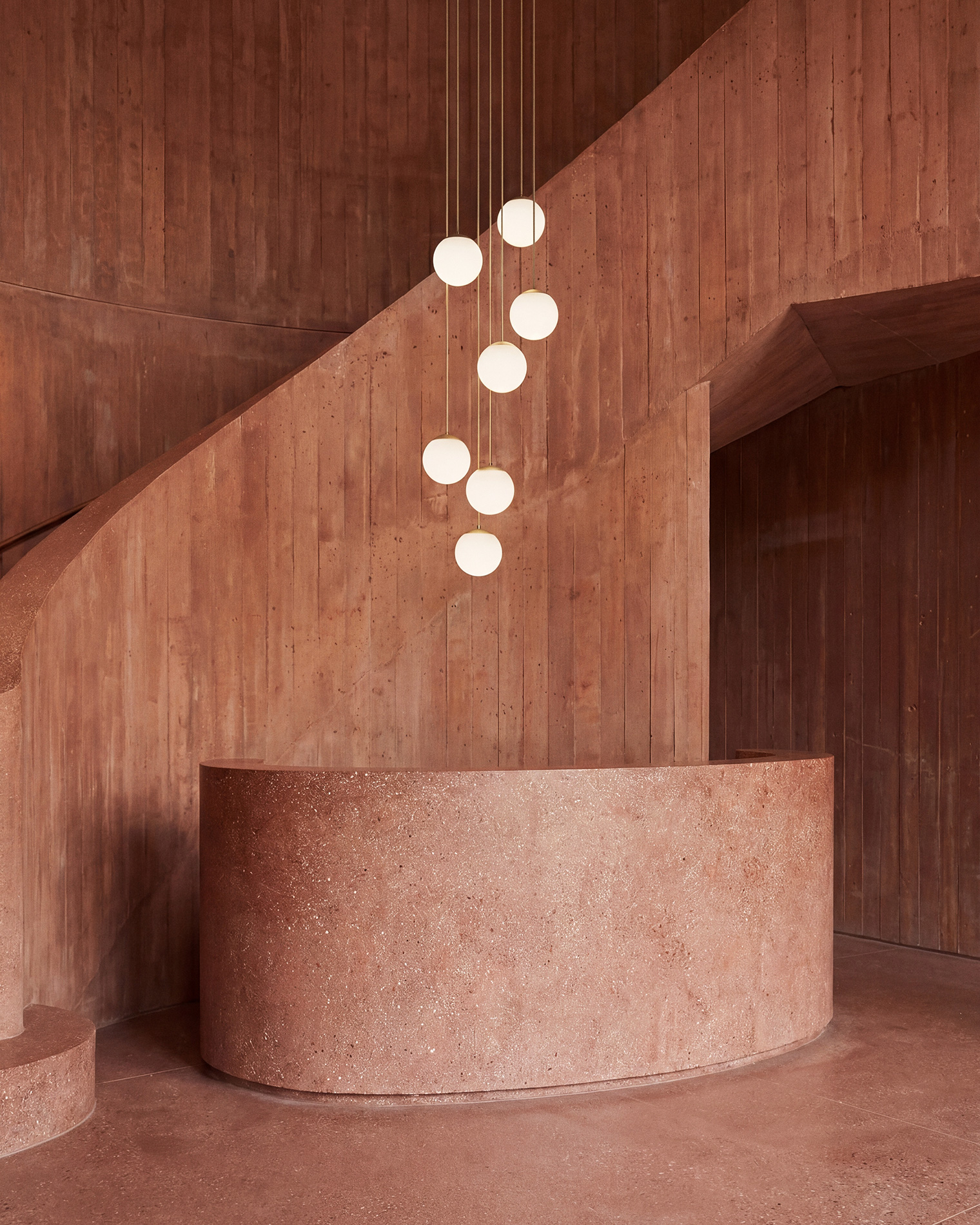
Model 2095 by Astep. A suspended dance.
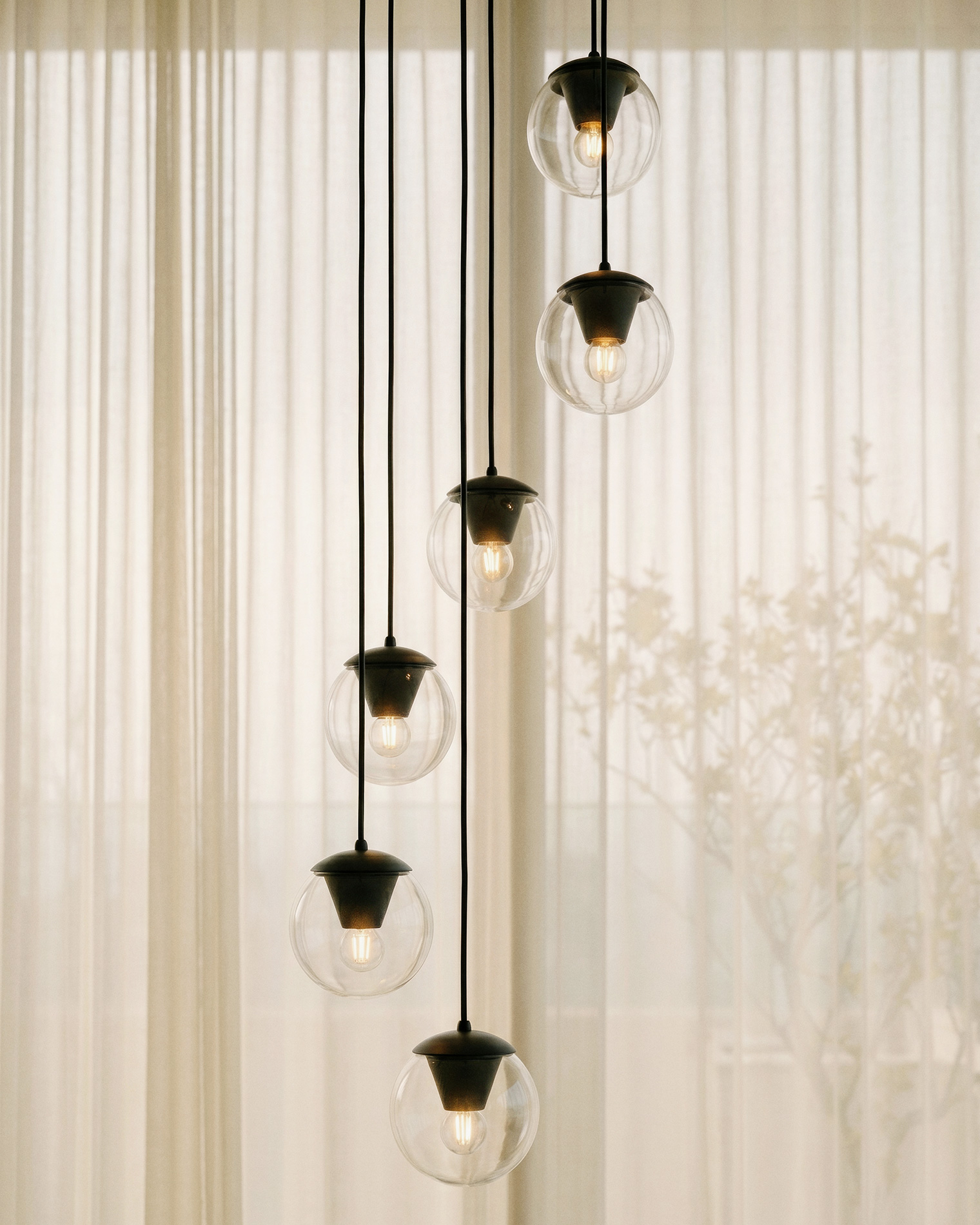
When Gino Sarfatti designed Model 2095 in 1958, he imagined light as a composition made up of spheres suspended at different heights.
The result has something of a dance about it. The spheres seem to hover in subtle motion, creating a rhythm that changes with the viewer’s perspective and takes on an especially delicate presence when the light is switched on.
The repetition of the points of light creates a visual rhythm that shifts with distance and perspective. The small spheres seem to move through the air, while the aluminium structure remains discreetly integrated into the composition.
Lightness as form.
Sarfatti was one of the great innovators in twentieth-century Italian lighting design. Throughout his career, he explored the relationship between light, architecture and space. For him, designing a luminaire also meant considering the place it would occupy and the way it could interact with its surroundings.
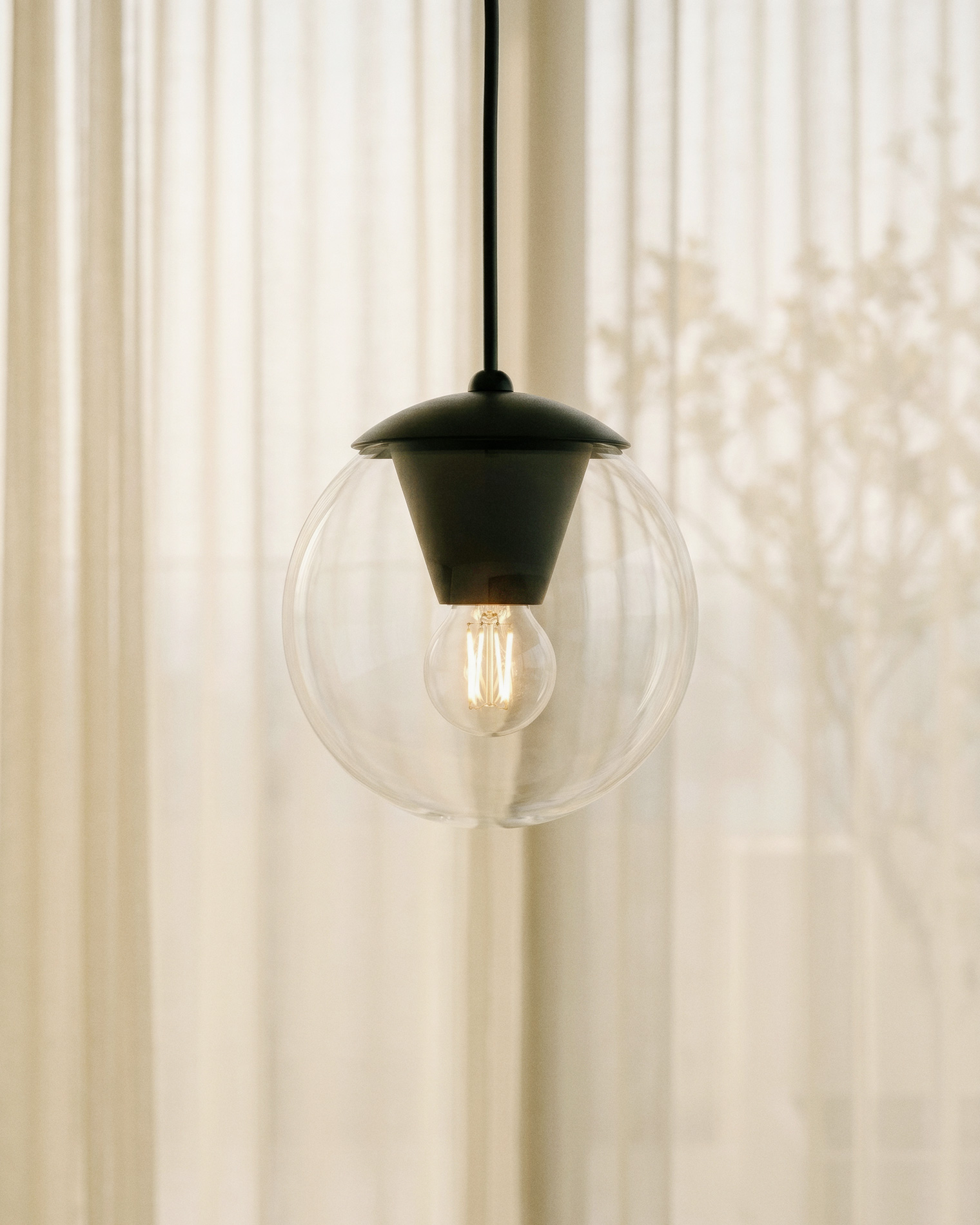
Model 2095 is not simply understood as a lamp, but as a composition of light that grows and adapts to the architecture. The spheres, available in opal or transparent glass, create a silhouette reminiscent of the ethereal movement of a choreography.
The structure, available in champagne or black, supports the glass spheres in Ø14 and Ø20 cm, arranged at different heights to create a composition that is light, vertical and dynamic.
Model 2095 is available in configurations of 1, 5, 7, 9 or 12 spheres, allowing the composition to adapt to different scales and ceiling heights. The vertical arrangement accentuates the sense of movement that defines the design.
A contemporary nostalgia.
Astep brings this design back as part of the Sphere Family, preserving the essence of the original concept while allowing it to adapt to contemporary interiors.
There is something nostalgic about returning to an idea from 1958 that still feels relevant today. Bringing it back also means looking at it again from the present and discovering that good design always finds its place in every era.
Light, rhythm and space.
The glass spheres, suspended at different heights, create a light and dynamic vertical composition, almost choreographic in character. Model 2095 seems to dance as it hangs in space.
Sarfatti’s work demonstrates that a luminaire can, and should, have a direct relationship with the place it occupies. Light can also create rhythm, define heights and transform the perception of a room.
More than six decades after its creation, Model 2095 retains its ability to surprise through simplicity. The idea still works because light, space and visual movement continue to form part of the same composition.
Related posts