AMI by LK Hjelle. Design that endures.
There are pieces defined not only by their form, but by the relationship they build with time. AMI, whose name means “friend”, begins precisely from that idea: to accompany. Not as a static object, but as a presence that evolves, adapts, and endures.
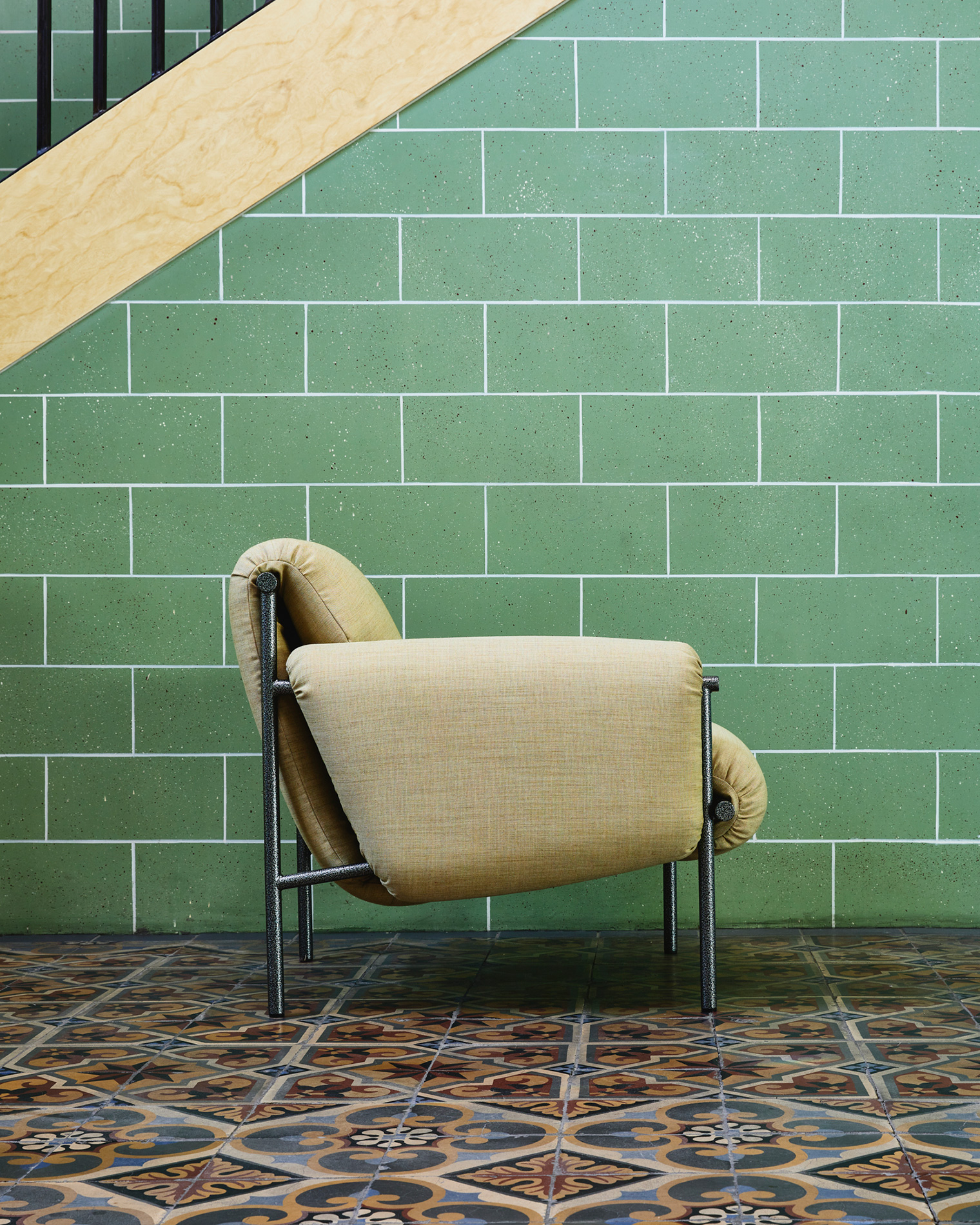
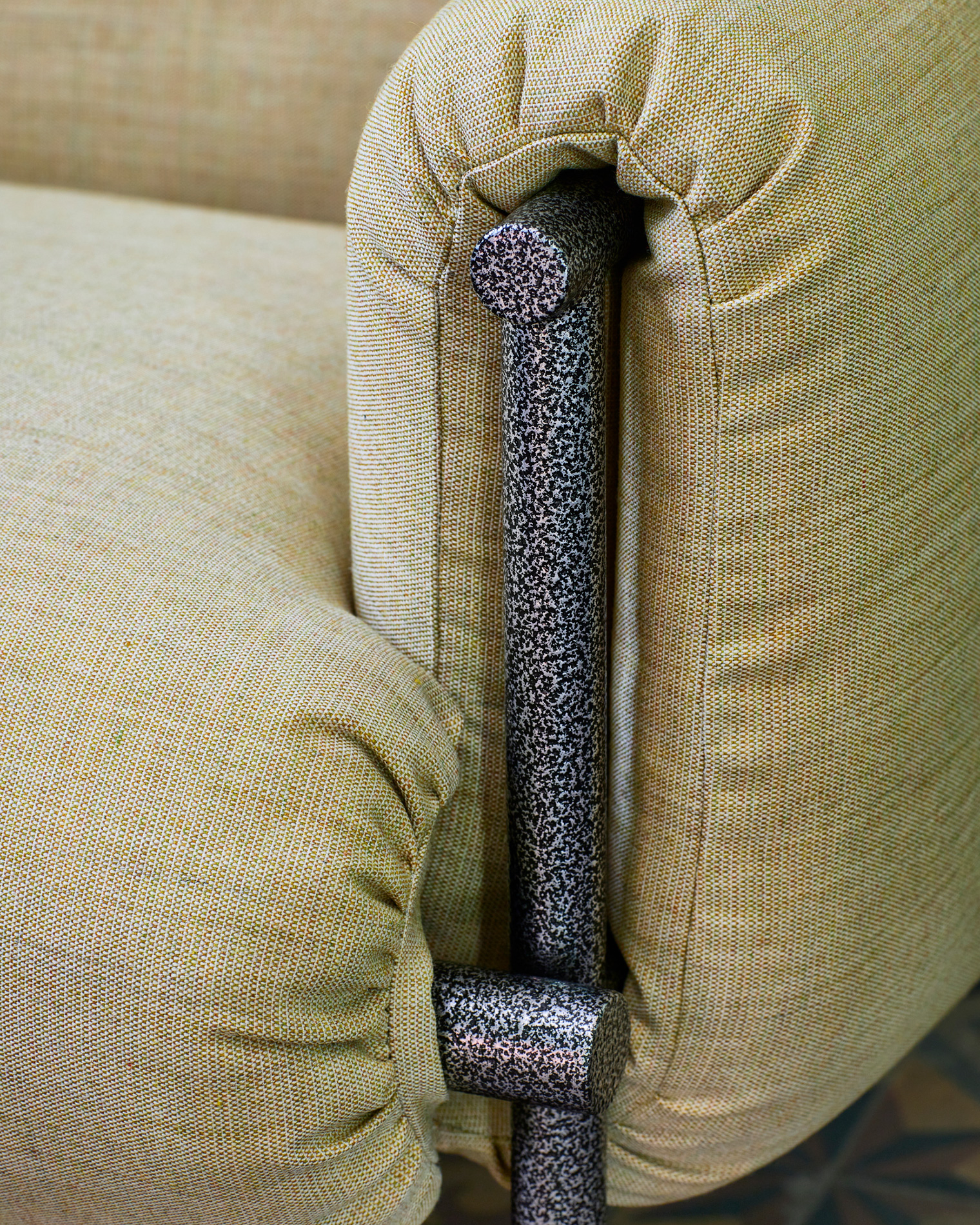
Designed by Takahi/Homstvedt from a contemporary perspective, AMI proposes a new way of understanding durability. Each element—structure and upholstery—can be disassembled, repaired, or replaced independently. This open logic not only extends its lifespan, but also redefines our relationship with the object: it is not replaced, it is cared for.
A new way of thinking about comfort.
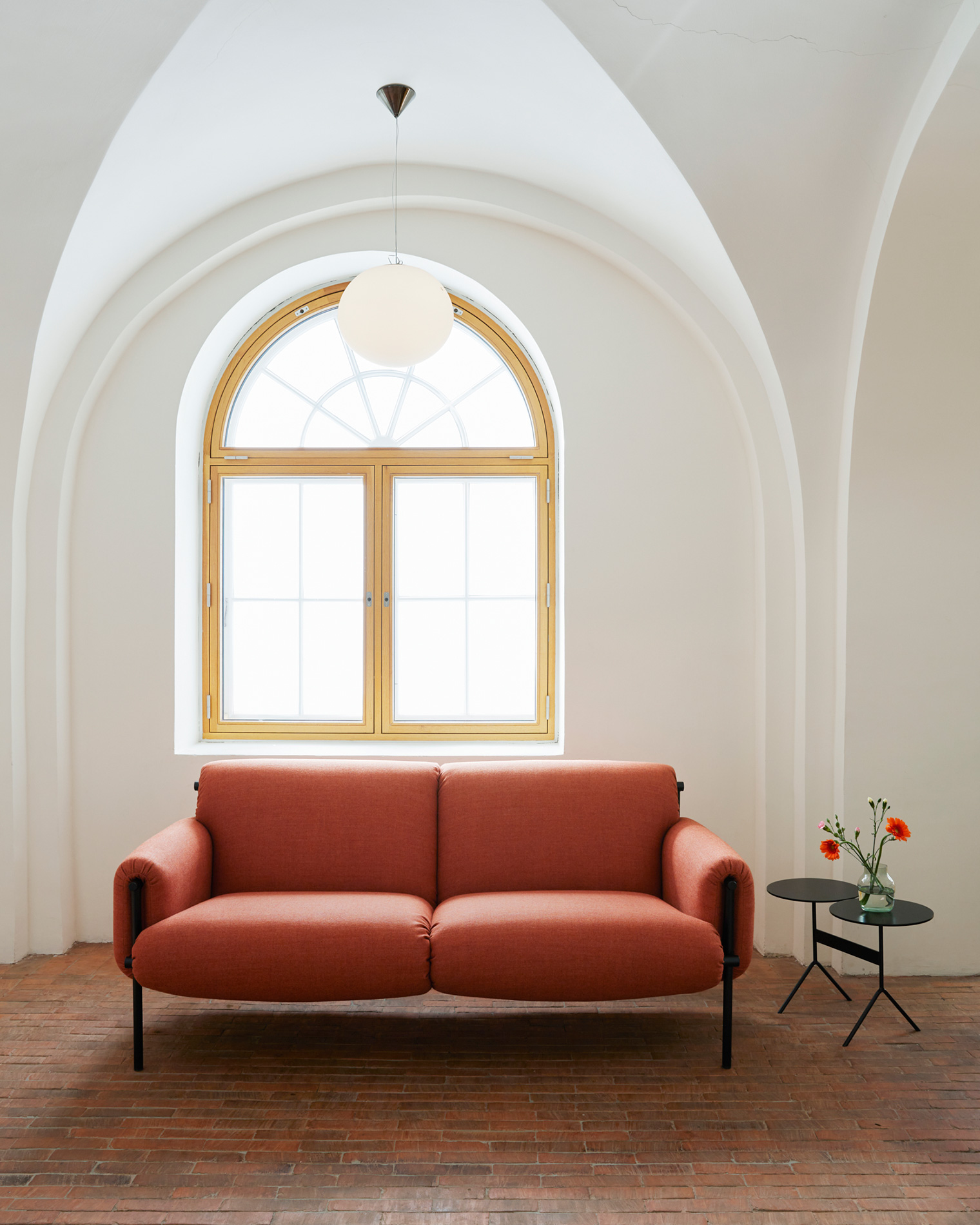
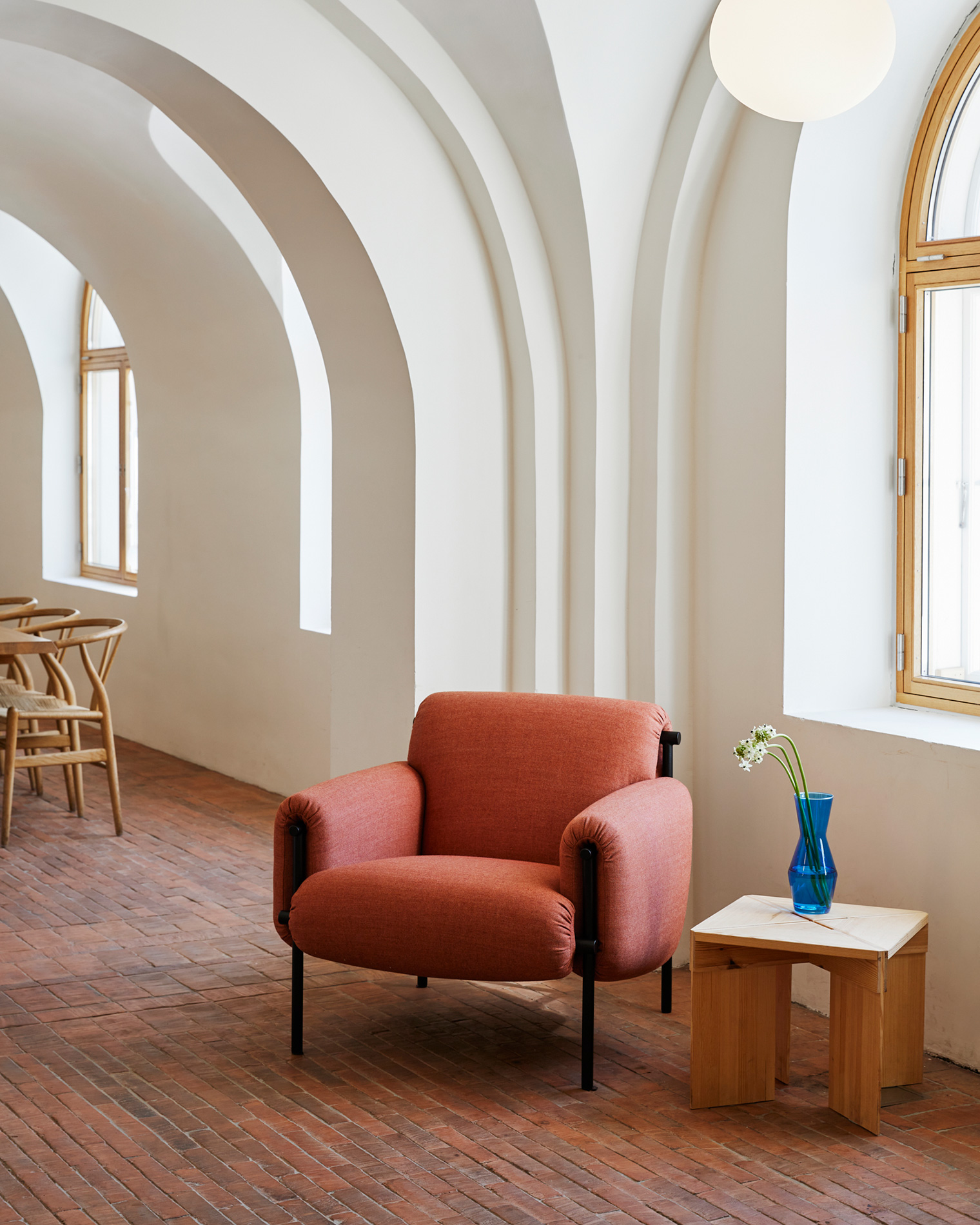
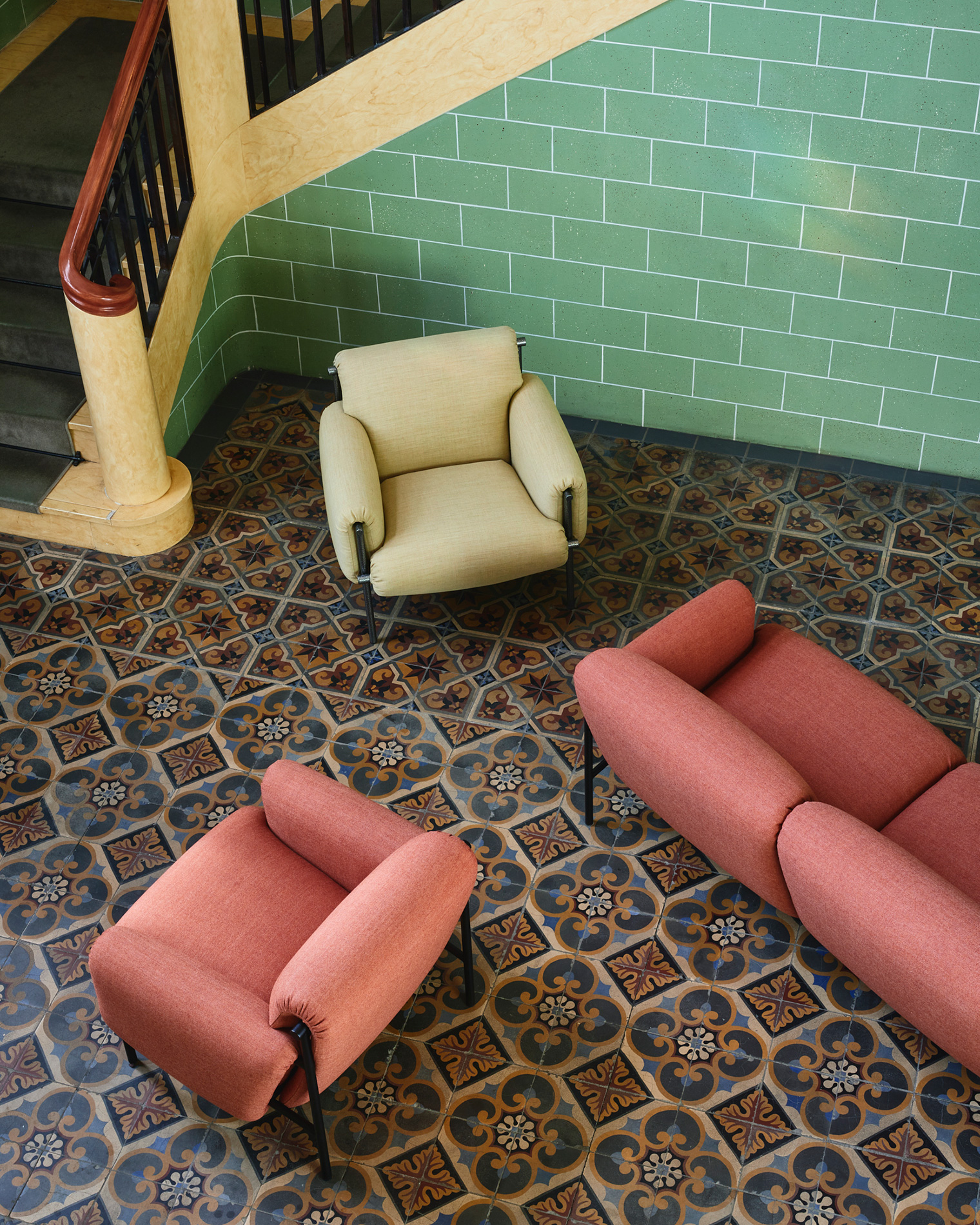
AMI emerges from a clear reflection: what happens if we reduce a seat to its essentials? By separating structure and cushions, the design becomes more honest, more legible, and more flexible. The structure, available in black, grey, or sand, acts as a solid and precise base. On top of it, the upholstered volumes, soft and generous, rest naturally, almost as if they had simply been placed.
The result is immediate, irresistible comfort. A seat that invites inhabitation without rules, allowing for different postures and ways of use. Comfort is discovered through individual experience.
System, material, and personality.
AMI is not a single piece, but a family that includes both armchair and sofa, designed to adapt to different spaces while maintaining a shared identity. The covers, available in a wide range of textiles and colours, allow the character of the piece to be transformed without altering its essence.
This combination of a defined structure and interchangeable textile layers introduces a dynamic dimension: the design can evolve over time, with use, or with the person who inhabits it.
Designing to remain.
In AMI, sustainability is not an added argument, but the starting point. Reduce, separate, repair—three gestures that build a conscious design logic, where every decision has a direct impact on the product’s lifespan.
More than a piece of furniture, AMI is an attitude: understanding that good design is not what is replaced, but what remains. What adapts, is cared for, and, over time, becomes part of everyday life.
Related posts