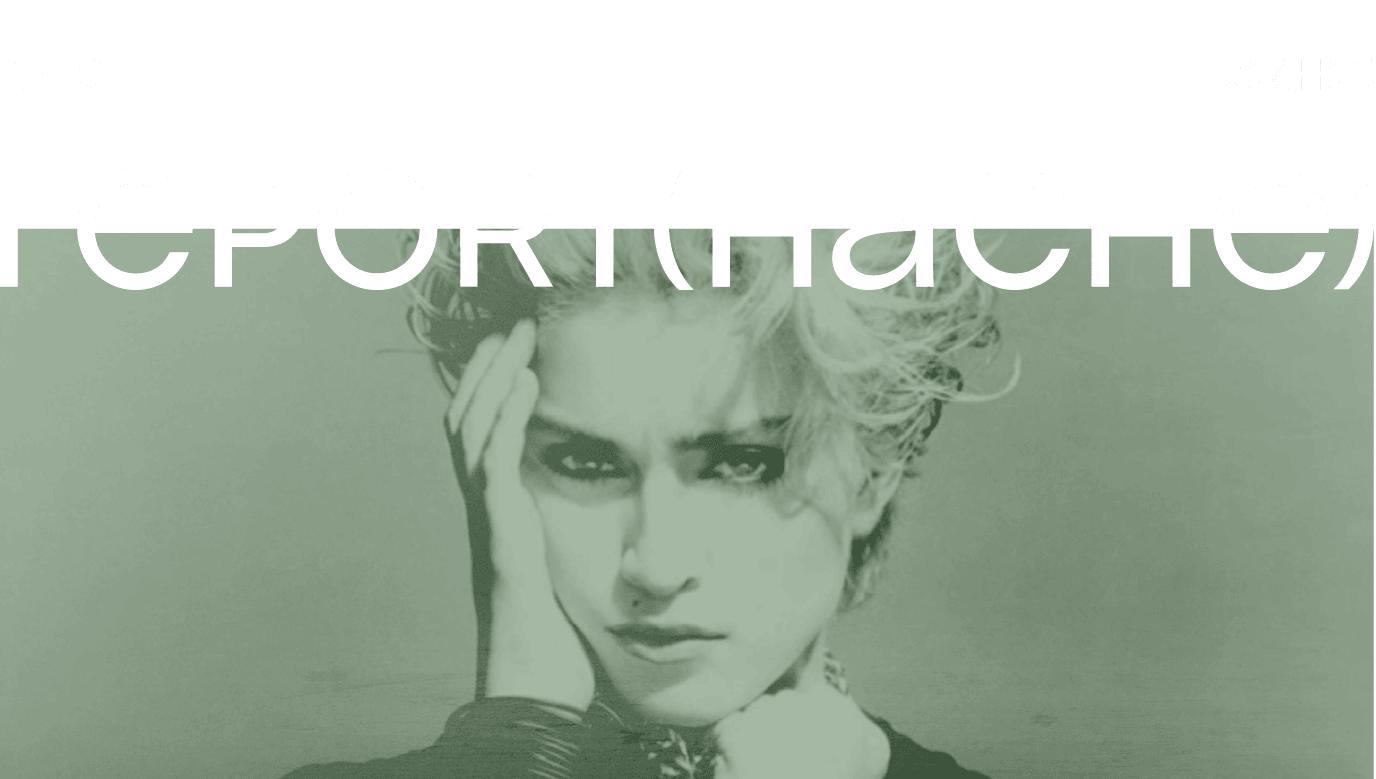
The ambition to do things your own way.
Madonna has built her career from an uncomfortable position: that of someone who does not easily accept the limits others have defined as the norm. From the beginning, she understood that having her own voice also meant deciding how she wanted to use it. She changed her image, music, aesthetics and discourse as often as she wanted, even when doing so meant provoking, making people uncomfortable or confronting the established order.
Her ambition has never been limited to going further. It has also meant not allowing others to decide for her what a woman, an artist or a public figure should be. Madonna turned change into a creative tool and freedom into a fundamental part of her identity. That is why her influence goes far beyond music: she has left a profound mark on fashion, visual culture and the way we understand the figure of the artist.
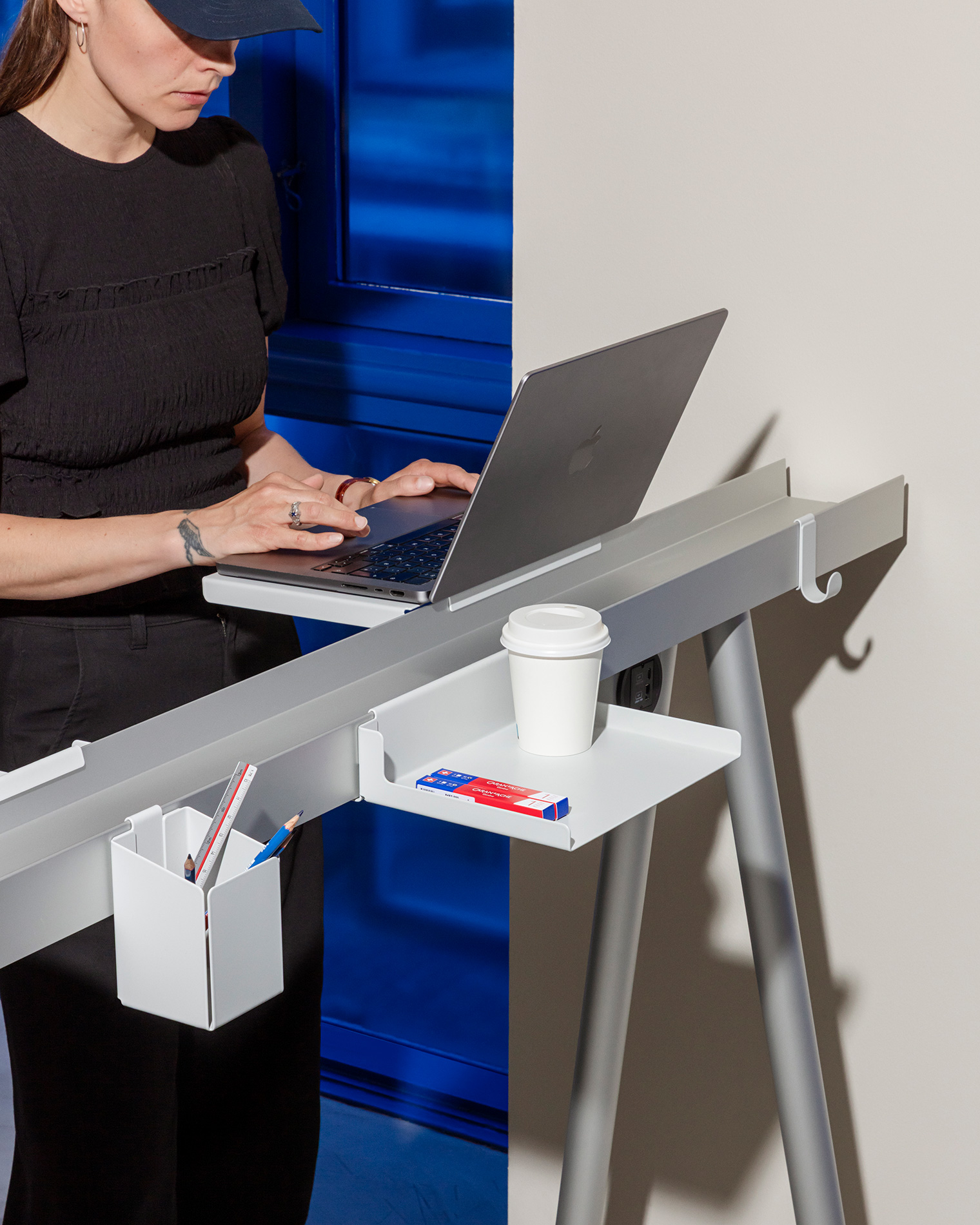
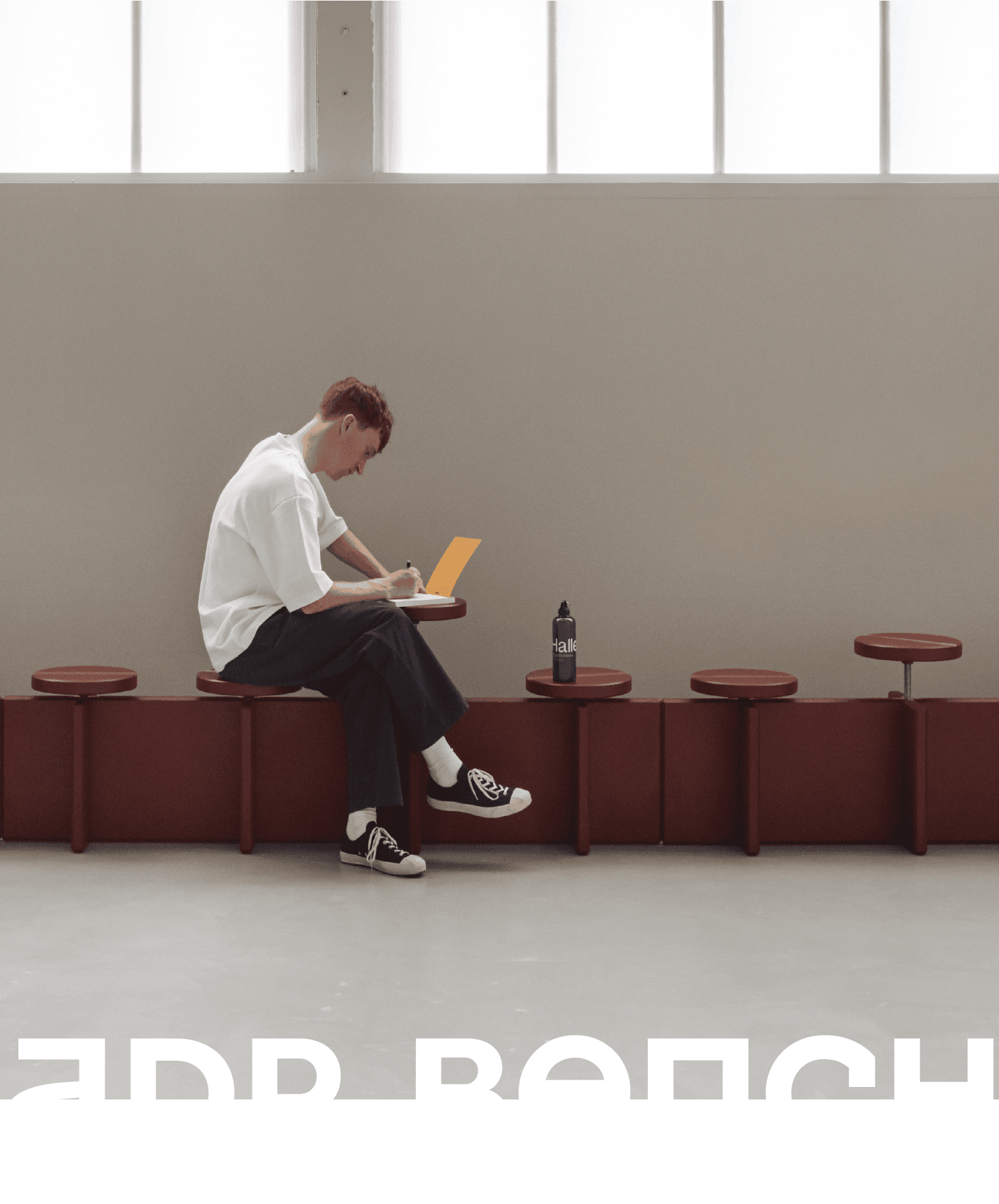
That same freedom appears in design when an idea does not simply seek to solve a function, but looks for new possibilities. ADP Bench by +Halle understands space as a place open to encounter. Its system allows the bench to adapt to different situations and ways of interacting, an approach to furniture based on flexibility that connects with Madonna’s determination never to remain in just one place.
Sia by LK Hjelle finds another way to express itself through a very simple combination: wood and glass. The irregular shape of the tabletop and the curves of the structure create a piece with a distinctive identity. Like Madonna, Sia shows that a recognisable personality can be built through precise decisions, without the need for excess.
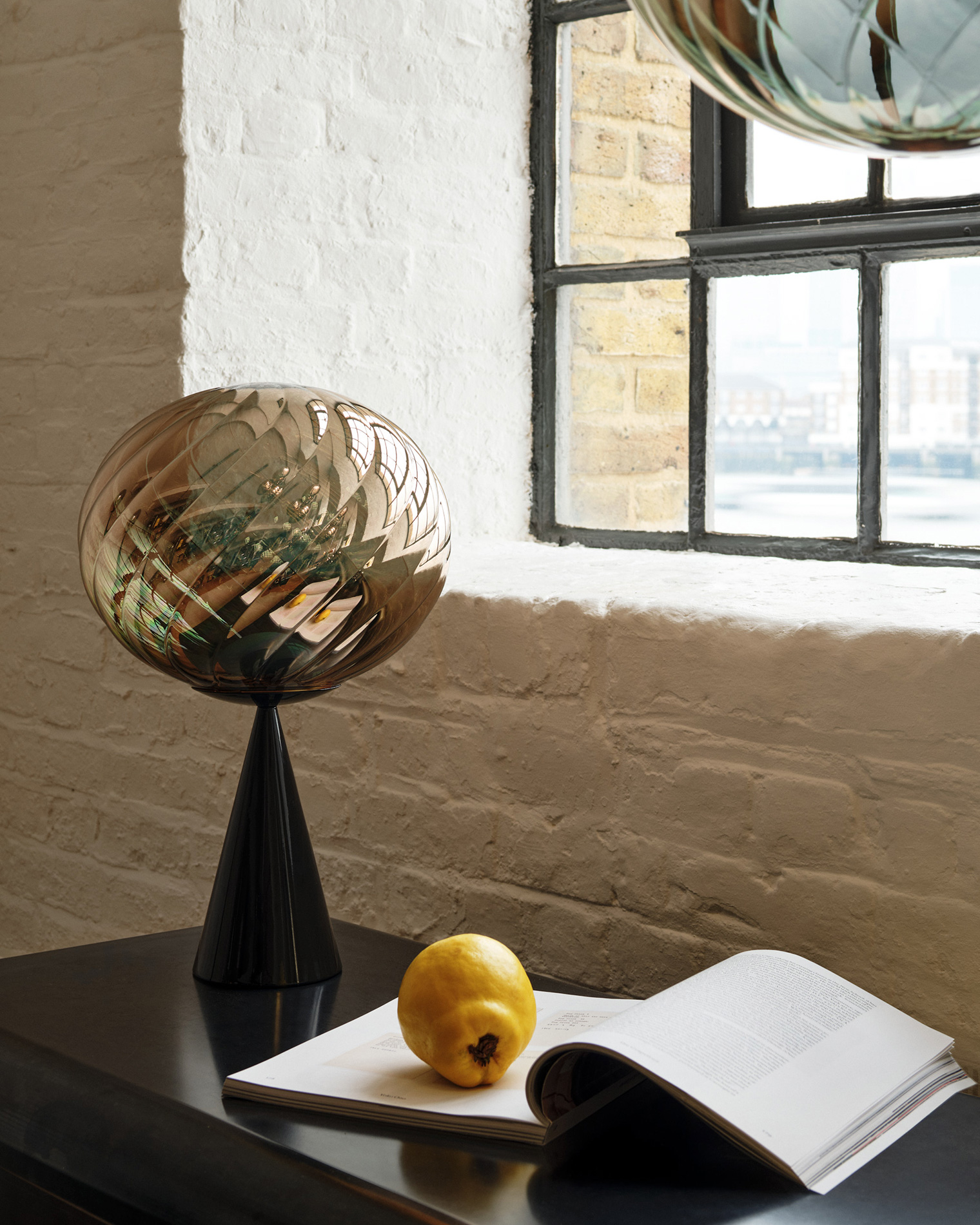
There are also designs born from an experimental attitude. Whirl by Tom Dixon takes material towards a more sculptural expression, playing with shapes, reflections and movement to create a family of luminaires that draws attention without losing its function. An attitude that echoes Madonna’s approach to transformation as a tool for exploring new forms of expression.
The collaboration between Studio Piet Boon and Röshults starts from a different perspective on outdoor living. Materials, proportions and functionality come together in a system designed to integrate into its surroundings and support a more relaxed way of experiencing the outdoors. A proposal that, like Madonna, understands that a distinctive identity does not need to follow a single code to remain recognisable.
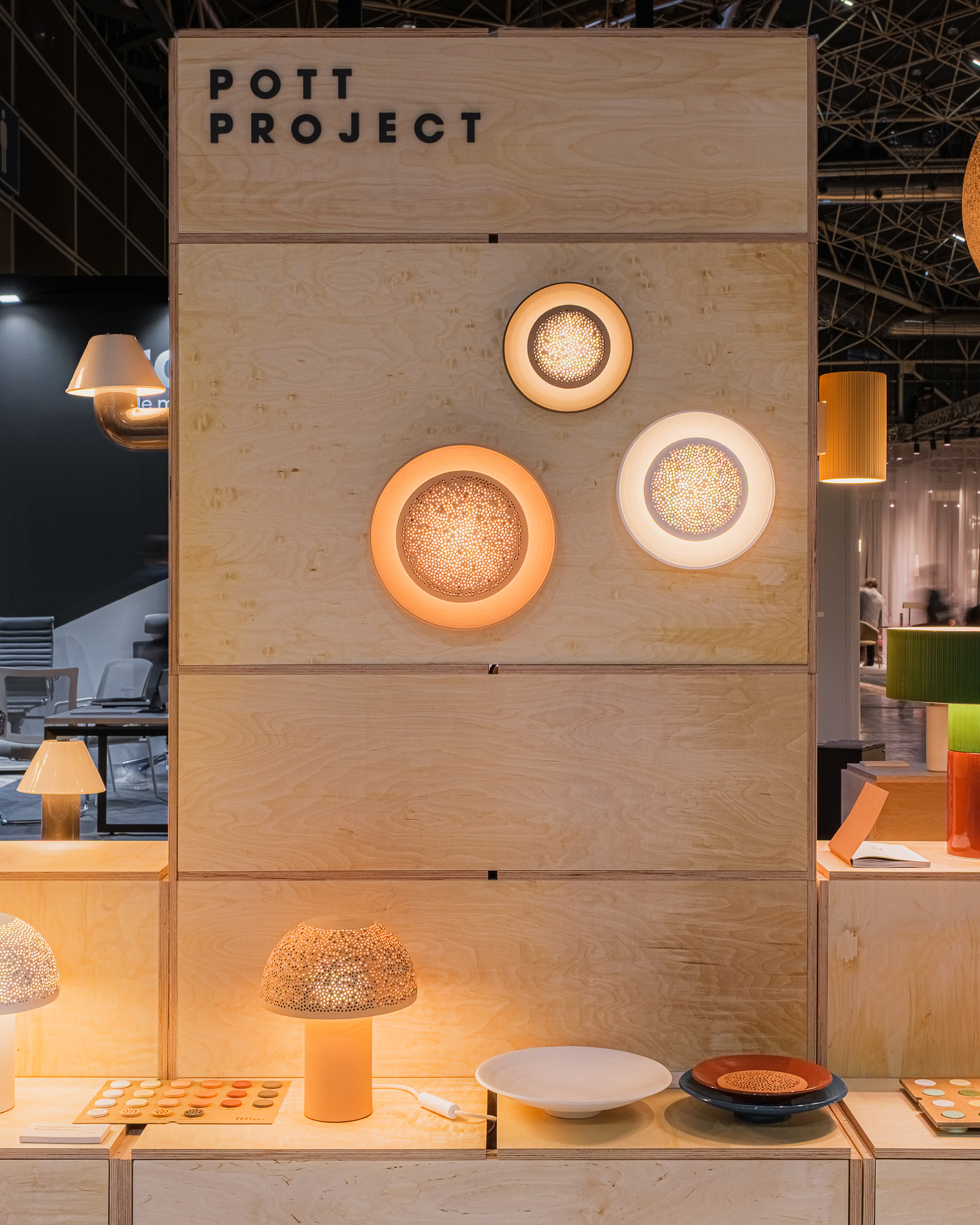
At Pott Project, Owan puts the focus on ceramics and on the properties of the material when it takes centre stage. Its soft forms and the subtle variations inherent to the handcrafted process mean that each piece retains something of the hands and time behind it.
Ambition can also be found in a quieter pursuit. At Astep, this attitude can be seen in the revival of great designs from the history of lighting and in the research into new materials and technologies to bring them into the present. Reinterpreting the past from a contemporary perspective also requires the freedom to decide what to preserve and what to transform.
Because ambition does not always mean making something bigger, more striking or more complex. Sometimes, it simply means wanting to do things differently.
Madonna turned that attitude into a way of life. Her career shows that having your own identity does not mean always remaining the same, but having the freedom to change without allowing others to decide when, how or why you should do it. The brands represented by Espacio con Hache share that same restlessness in their own languages: in the search for new solutions, experimentation and the willingness to keep asking questions.
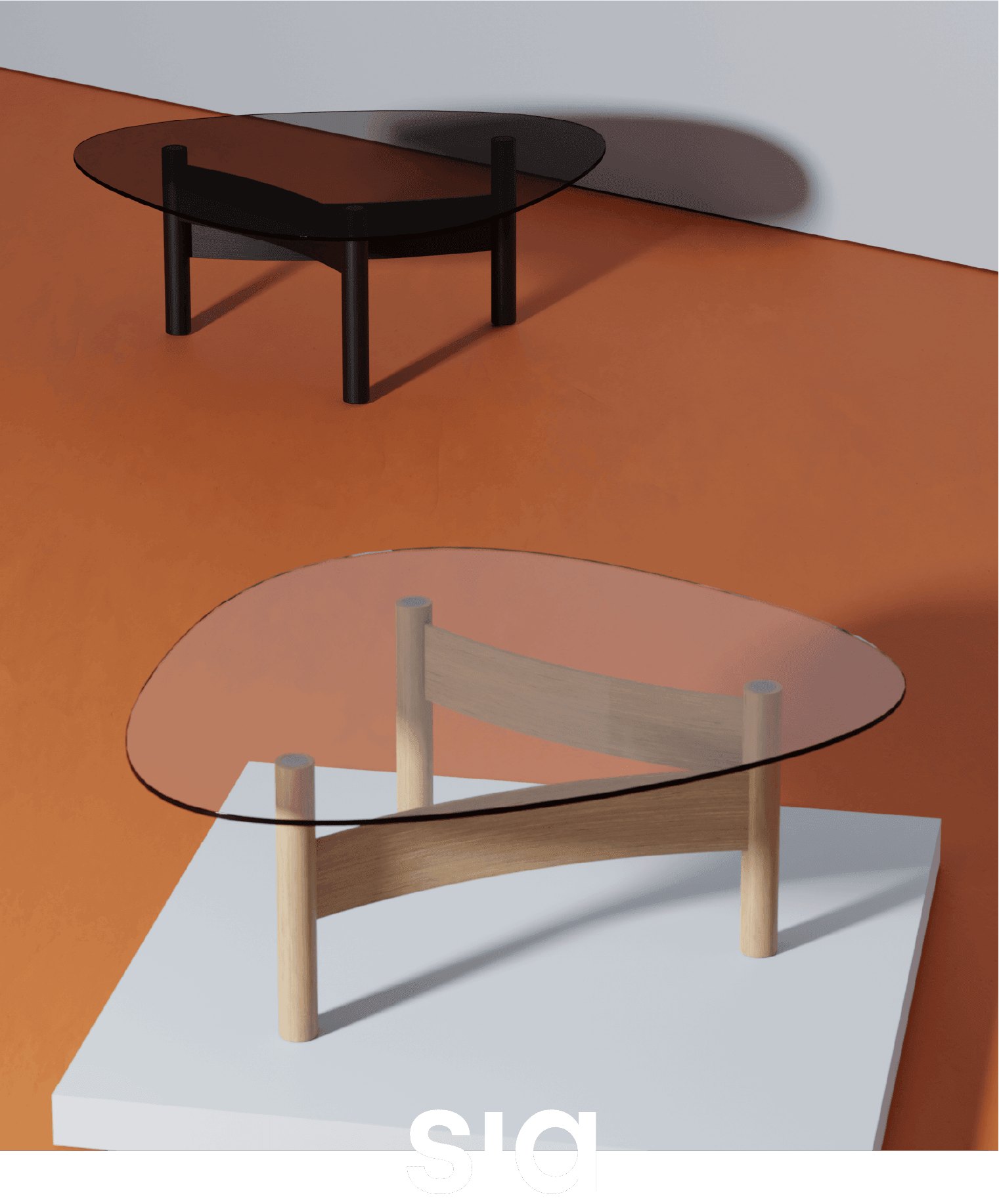
Sia by LK Hjelle is an example of precise design.
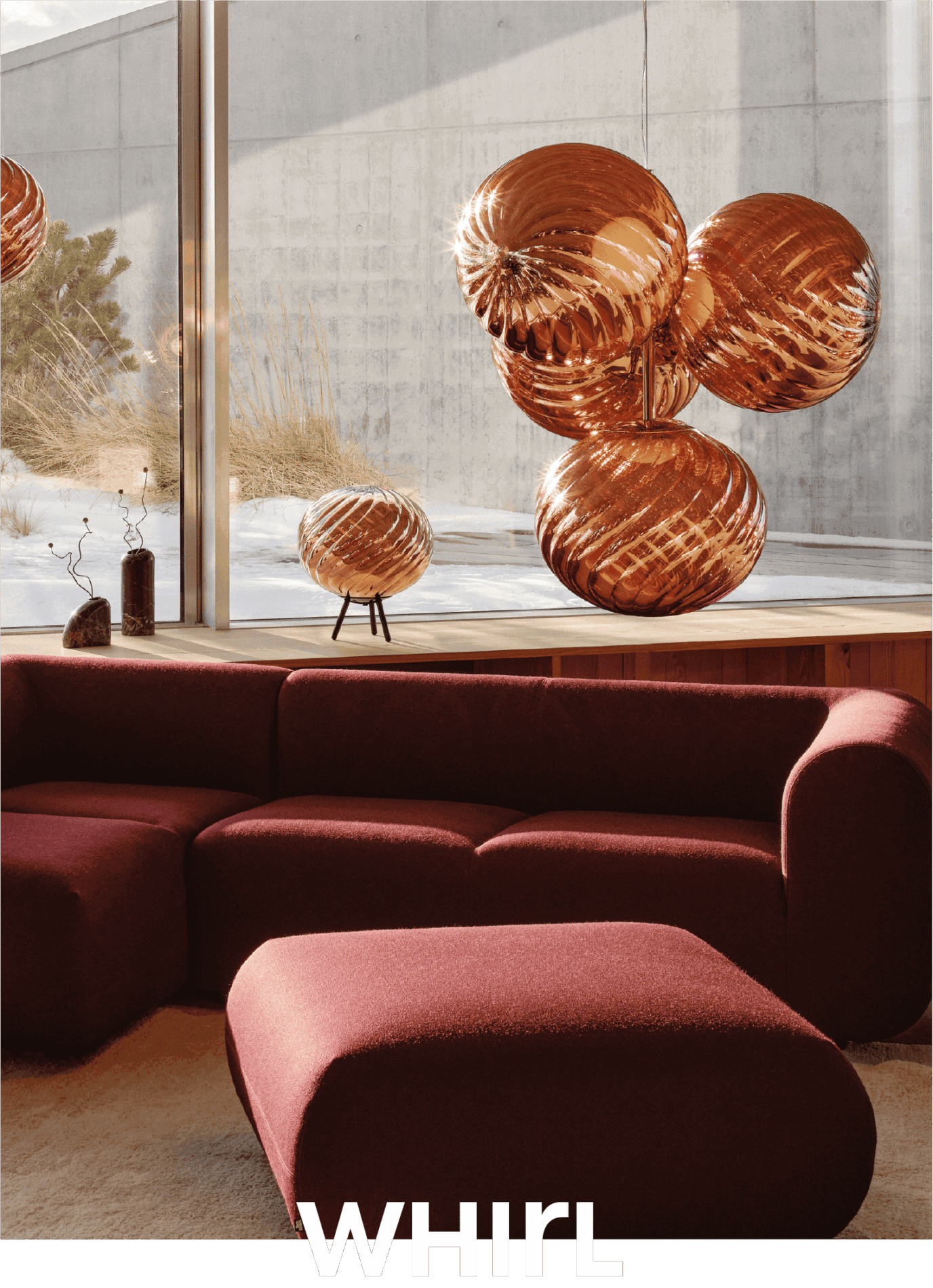
Whirl by Tom Dixon turns material into luminous reflections.
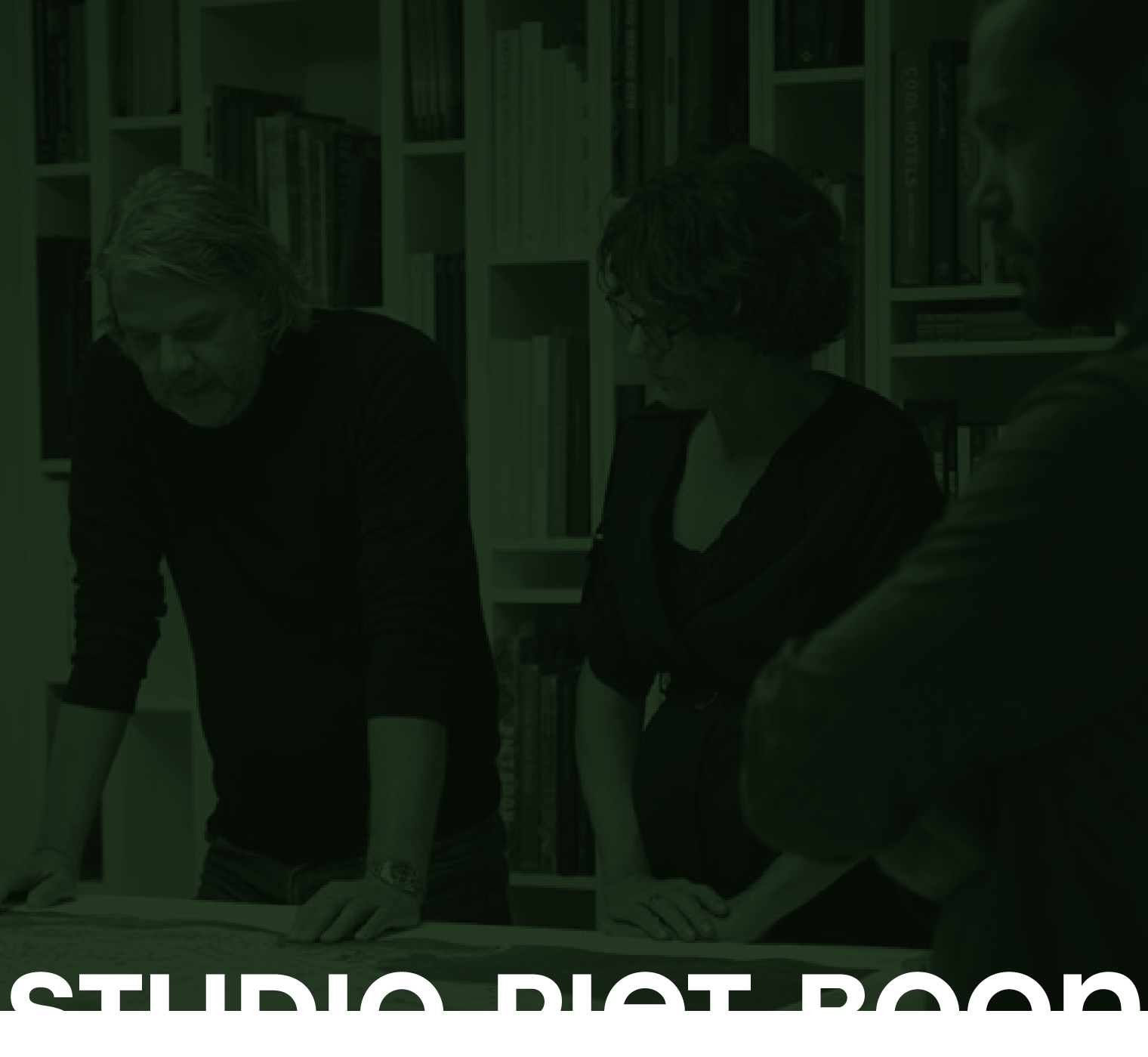
This month we delve into the creative universe of Studio Piet Boon.
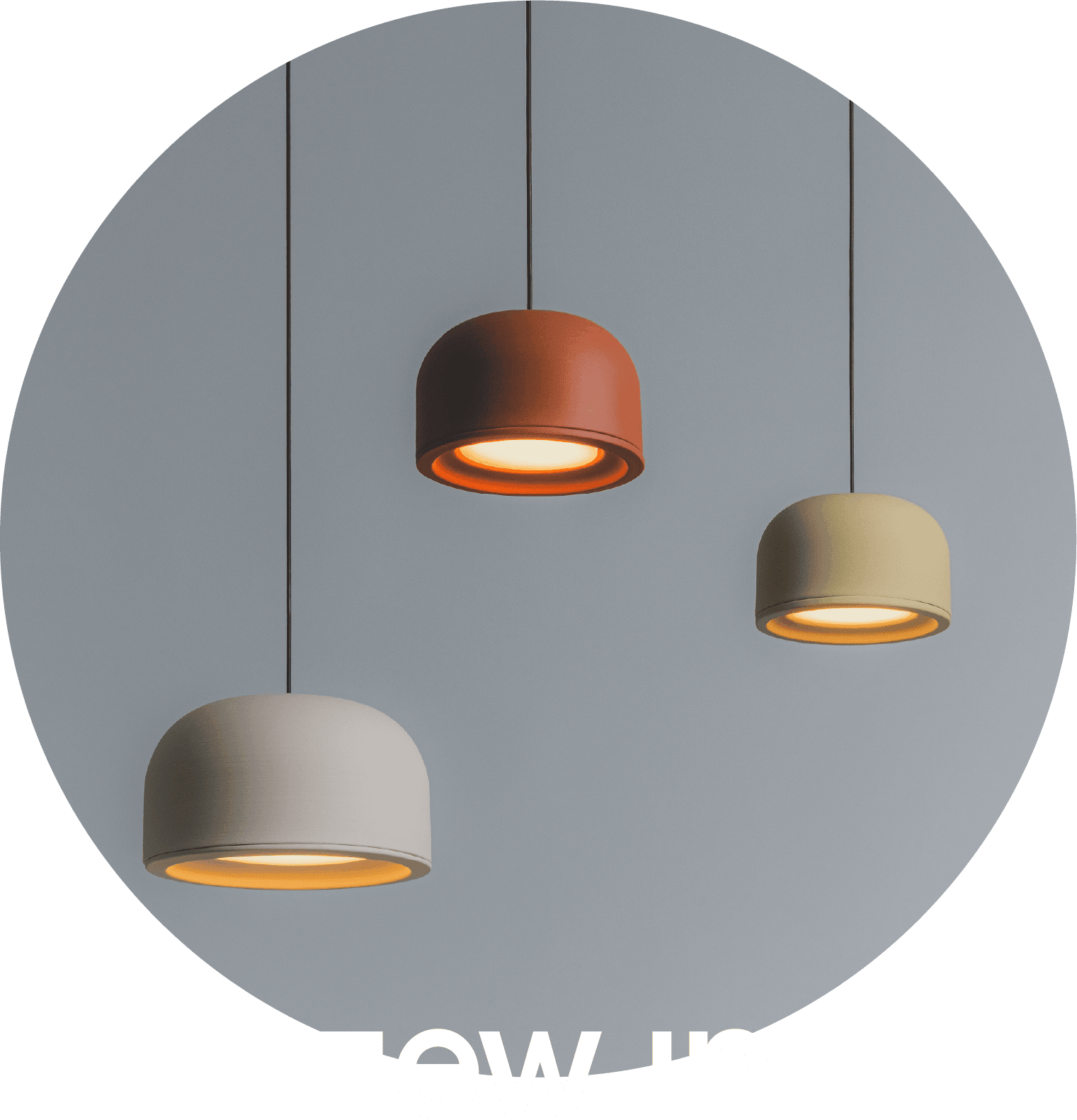
One piece, one aesthetic, one way of living.
Every month, we present a new piece that represent us. A piece with a story.

Related posts