Owan by Pott Project. The serenity of the essential.
There are forms that often go unnoticed because they have always been there. Everyday objects that accompany our simplest rituals without ever demanding attention.
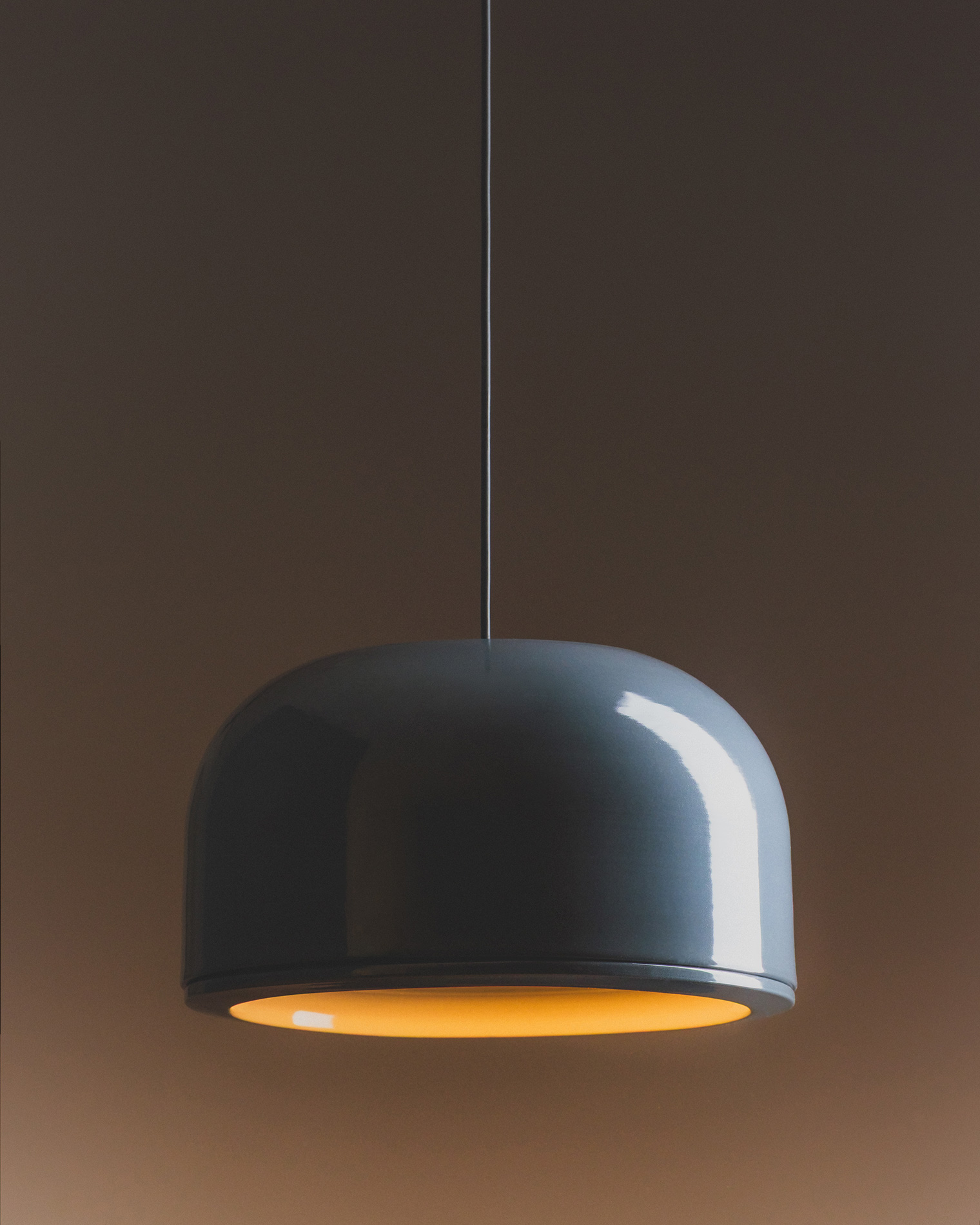
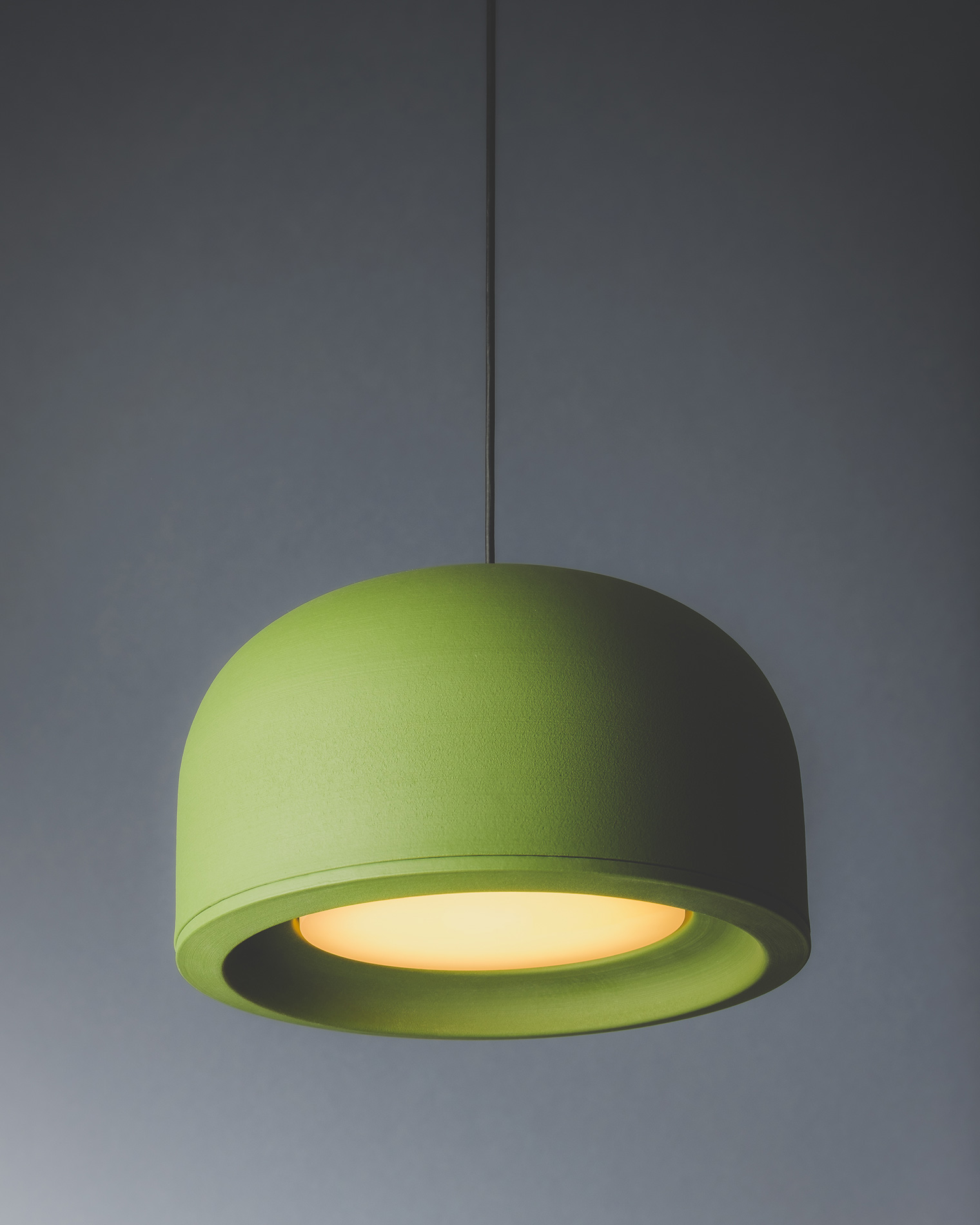
Owan is the Japanese word for a small bowl. It is in this quiet presence that Keiji Takeuchi found the inspiration for this luminaire for Pott Project. A piece that does not merely interpret a form, but a way of understanding design itself. Simplicity, proportion and the serene beauty of the essential become an architecture of light where materiality and craftsmanship speak with complete naturalness.
The poetics of restrained form.
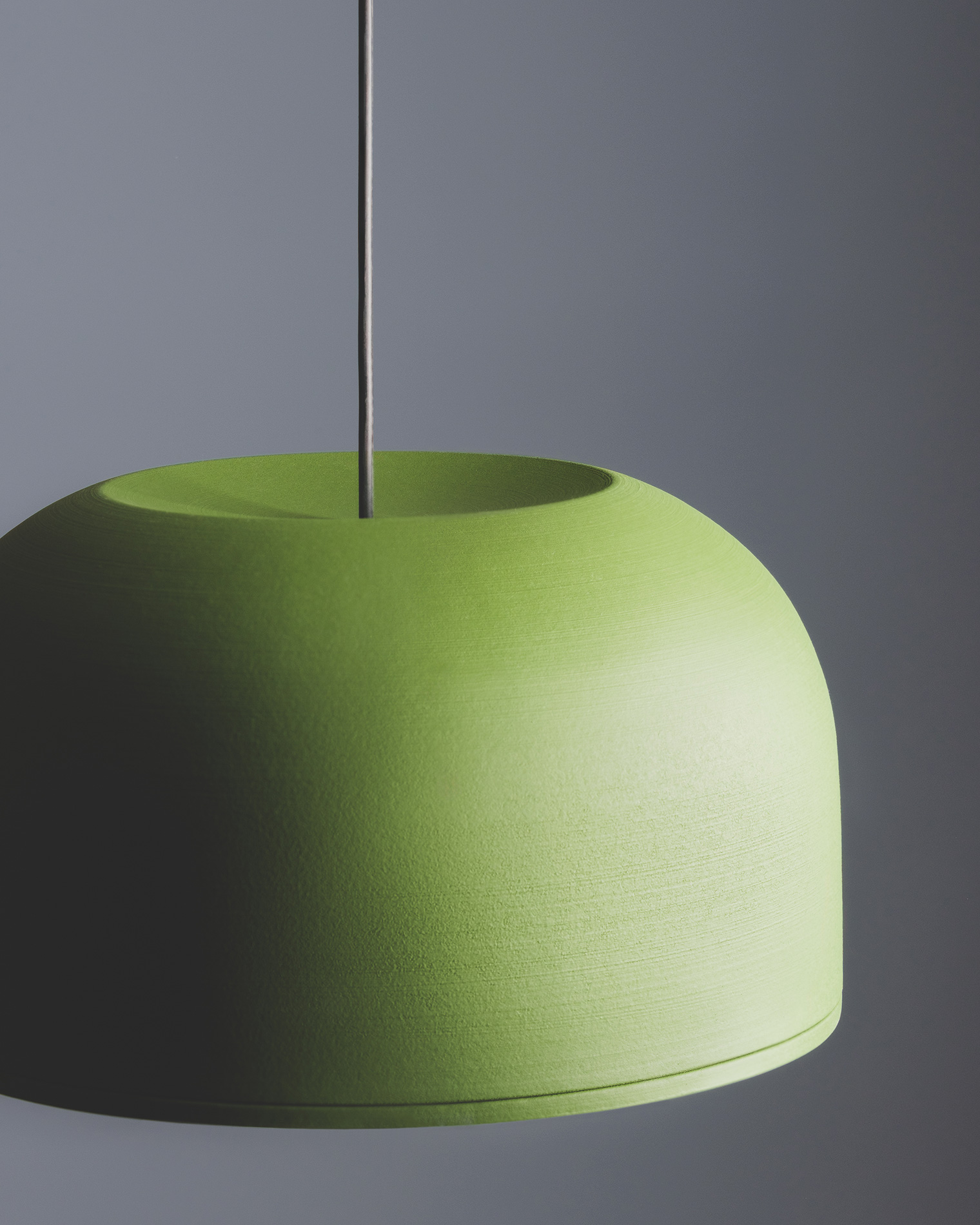
In developing Owan, Keiji Takeuchi began with a reflection on ceramics and the potter’s wheel as tools capable of shaping deeply honest objects.
The luminaire is composed of two clearly defined volumes, joined by a deliberate and precise line. A seemingly minimal gesture that reveals a careful attention to detail while celebrating the manufacturing process itself.
This pursuit of precision is equally evident on the inside. Rather than concealing its construction, Owan demonstrates that the quality of an object lies as much in what it reveals as in what usually remains unseen.
Ceramic tradition, contemporary perspective.
Each luminaire is hand-thrown on the wheel and refined with the support of a mould that ensures the purity of its proportions and the precision of its profile. A process in which craftsmanship and technical control coexist, fully reflecting Pott Project’s philosophy of allowing the material to retain its identity while achieving absolute precision in every detail.
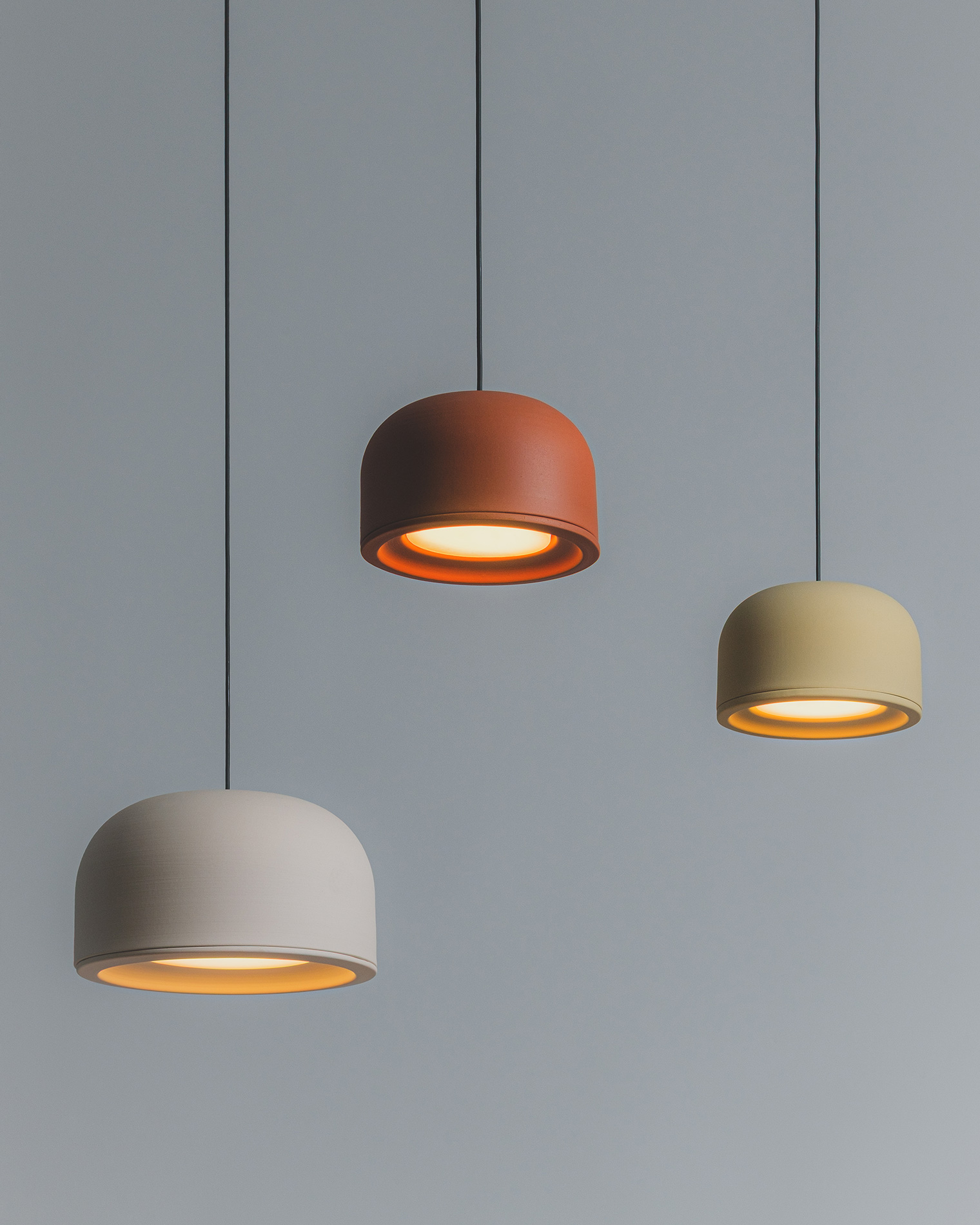
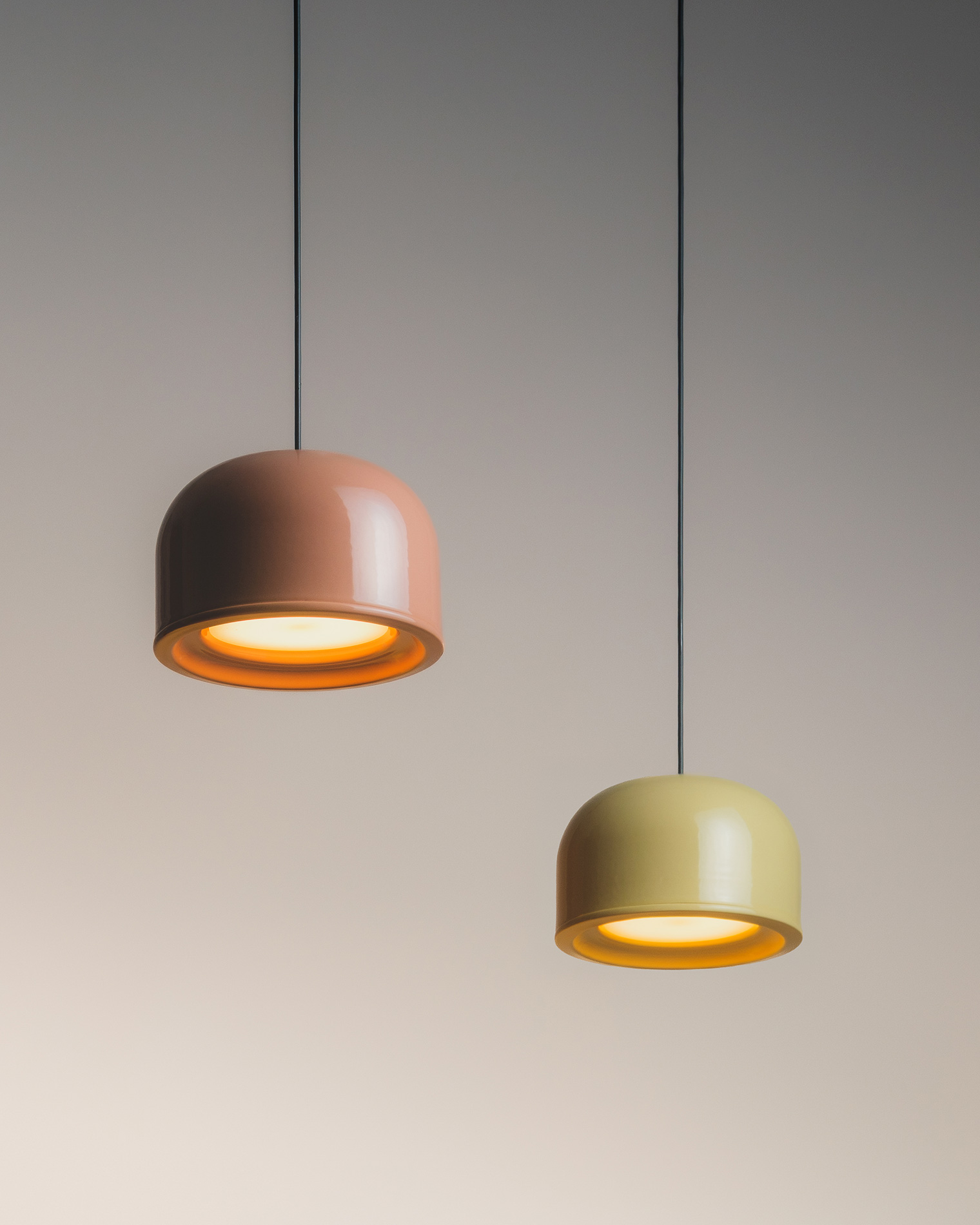
Available in two sizes, Owan 13 and Owan 19, and in the full range of the brand’s colours and finishes—matte or gloss—the collection can create compositions of different scales or stand alone with equal ease.
A quiet architecture of light.
Owan creates atmospheres. Light emerges softly from within the piece, enveloping the surrounding space with an intimate, delicate and calming glow.
Its identity is also defined by the precision of its construction, where ceramics and light enter into dialogue to shape its presence. Here, serenity is not merely an aesthetic quality, but a way of understanding design.
Related posts