Form as Purpose. Design as Experience.
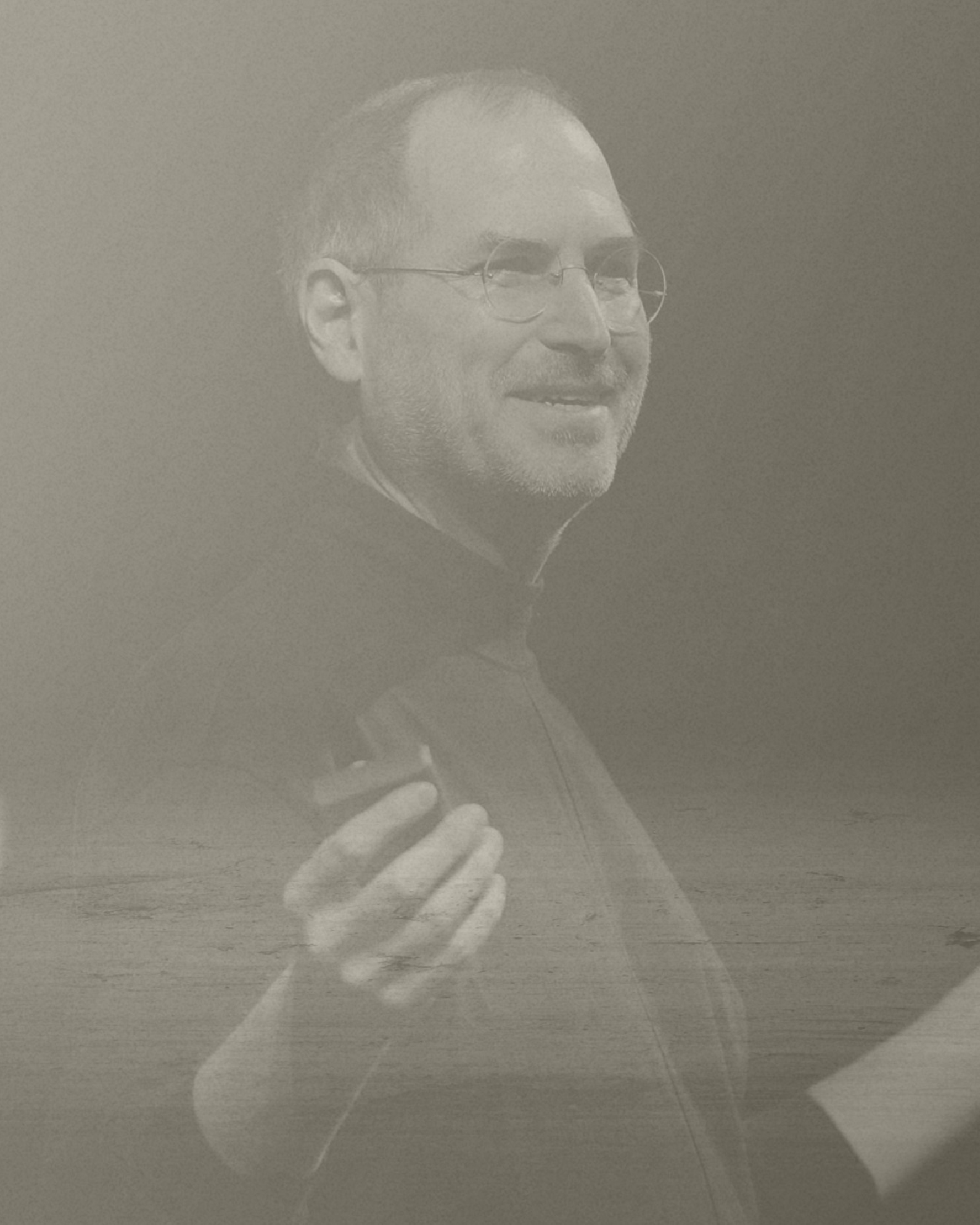
For Steve Jobs, design was the very essence of an object. It wasn’t about how something looks, but how it works, how it feels and, above all, how it transforms the relationship between people and things. His perspective fused technology with emotion, precision with beauty, simplicity with depth.
Jobs understood that true innovation emerges when form and function dissolve into a single idea. He pursued purity, not perfection: removing the superfluous until only the essential remained. That discipline, both spiritual and technical, turned his products into something more than tools.
Behind every decision there was intention. From typography to materials, every detail had to communicate coherence. Steve Jobs didn’t design objects; he designed complete experiences: from the gesture of opening a box to the precise silence of an interface. He believed technology should be human, warm, almost invisible, yet always intuitive.
His legacy lies not only in the devices that reshaped the world, but in the philosophy that made them possible: understanding design as a form of empathy. Recognising that the useful can also be beautiful, and that the everyday can be transcendent.
Jobs taught that innovation is not about adding, but refining. That behind every meaningful breakthrough is a search for harmony, a balance between the visible and the invisible. And that when design is true, it doesn’t impose itself: it flows.
His obsession with clarity, proportion and sensory experience places him closer to architecture or art than to engineering. Like the great creators, Steve Jobs didn’t design for the present, he designed for time. His greatest achievement was reminding us that design, when honest, is also a way of thinking.
Related posts