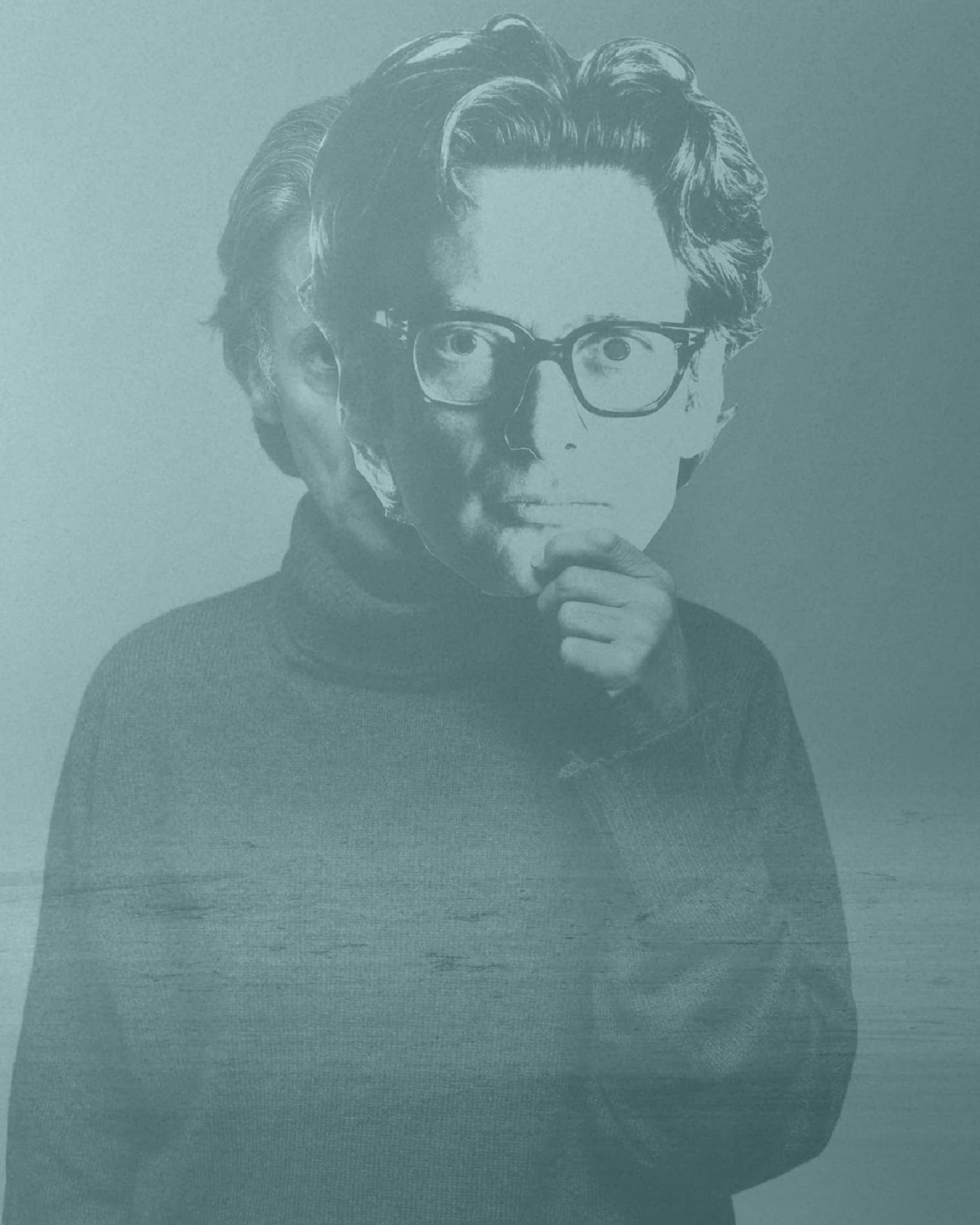
The Gaze as Truth
For Richard Avedon, photography was an act of unveiling. His camera didn’t seek the perfect pose but that fleeting instant when the human essence surfaced unguarded. Instead of spectacle or staged perfection, he preferred the vulnerability of the improvised gesture.
A simple white background was the only accessory he needed. A bare space that forced attention on what truly mattered: the person, with their light and shadow alike. In every image, Avedon captured that pulse of life intertwined with personal truth. Behind each face, there was always more, the complexity of character, the humanity of a life story.
Beyond the world of fashion, which first brought him fame, and beyond the portraiture of celebrities, which made him an icon, Avedon remains inspiring because he never allowed appearance to replace inner truth. His photography was always an exercise in honesty.
He transformed portraiture into a direct language, capable of showing vulnerability and strength at once. His legacy invites us to understand that behind every image lies a story, and that what is human is always contradictory, fragile, and profoundly real.
In his work, light is not merely a technical tool; it is the catalyst that reveals truth. The radical clarity with which he illuminated his subjects is the same clarity demanded by authenticity: nothing concealed, everything shown. That intensity makes his images both uncomfortable and fascinating, because in looking so clearly at others, we inevitably look at ourselves.
Avedon proved that a portrait is a silent conversation between photographer and subject. Where there seemed to be distance, he created intimacy; where there was a persona, he revealed the person. This ability to strip away until only the essential remained is what makes his work timeless. For those who believe, as we do, that authenticity never goes out of style: it endures.
In a world saturated with quick, superficial images, Avedon’s gaze reminds us of what matters most: beauty does not reside in embellishment but in essence. His work teaches us that art, when it is true, does not pretend, it simply unveils. And within that unveiling lies the most powerful form of humanity.
Related posts