Seeing as Exploration
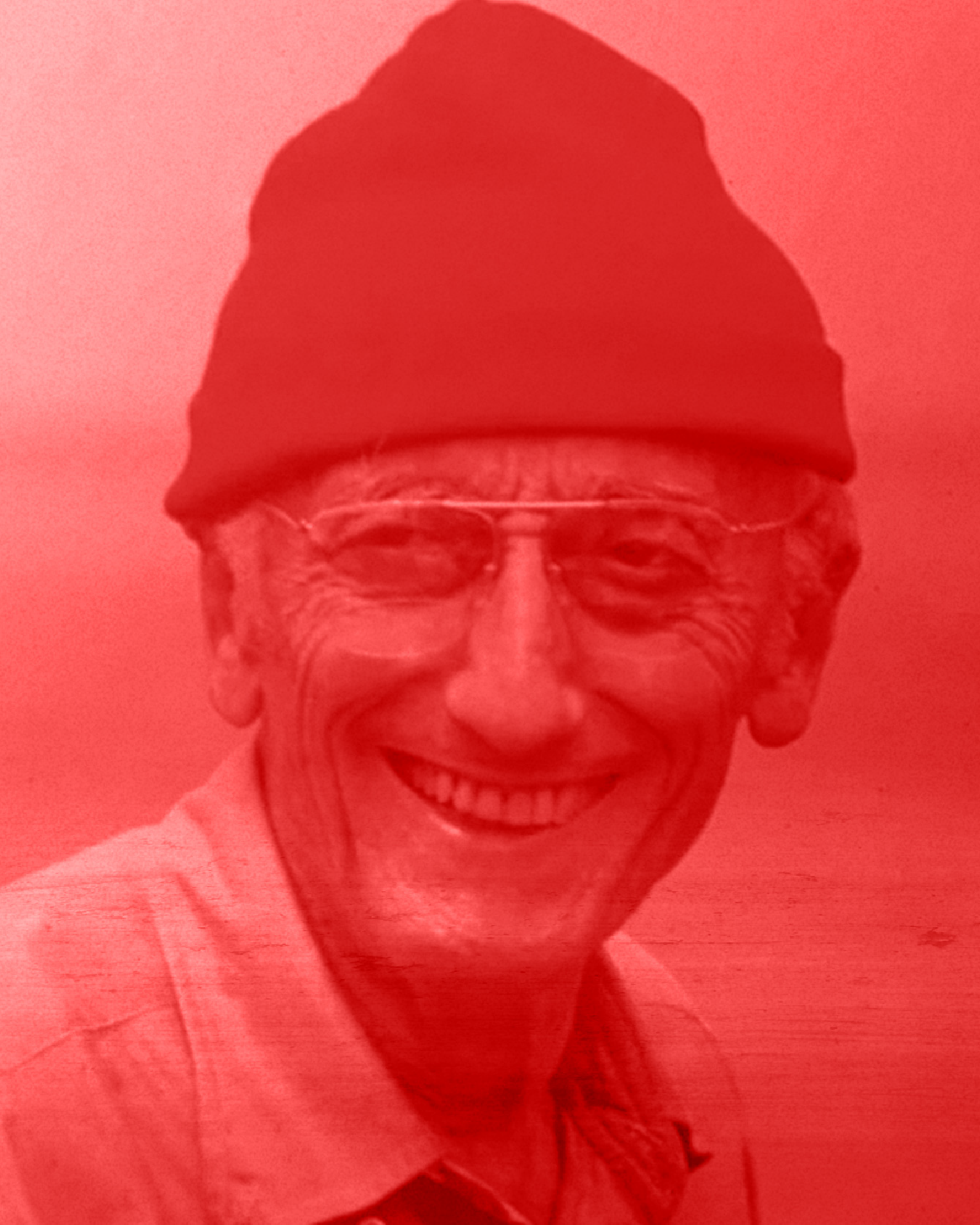
Jacques Cousteau forever transformed the way we observe and relate to the sea. He didn’t just explore it. He sought to understand it, with rigor and respect. He knew that the ocean’s richness wasn’t only in what’s visible, but in the complexity that sustains its balance.
He invented tools, developed new observation methods, and opened up new possibilities for scientific and visual exploration. He filmed what no one had seen before and shared it with a clarity that shaped generations.
He was a pioneer in showing that diversity is not just a trait of marine life, but a vital condition for its continuity. He taught us to find value in the small, the different, the seemingly secondary. In how every form, every species, every detail contributes to the whole.
To Cousteau, the sea was not a stage. It was a living, complex, interdependent system. He learned to document what usually went unnoticed and to reveal the deeper structure of what seemed fragile or insignificant.
He believed we only protect what we know. And that knowing requires time and attention. His legacy is, above all, a lesson in sensitivity. An invitation to look beyond the obvious.
Through his documentaries, inventions, and activism, he united thought and action. He was an explorer, but also a teacher. An inventor, but also a witness. His gaze was technical and ethical. He showed us that to explore is not to invade, but to listen. And that diversity is not ornament, but structure.
Today, his way of thinking is more relevant than ever. In times of environmental urgency, his slow, rigorous, and deep vision reminds us that to care is also a form of knowledge. And that paying close attention is the first step toward any transformation.
Related posts