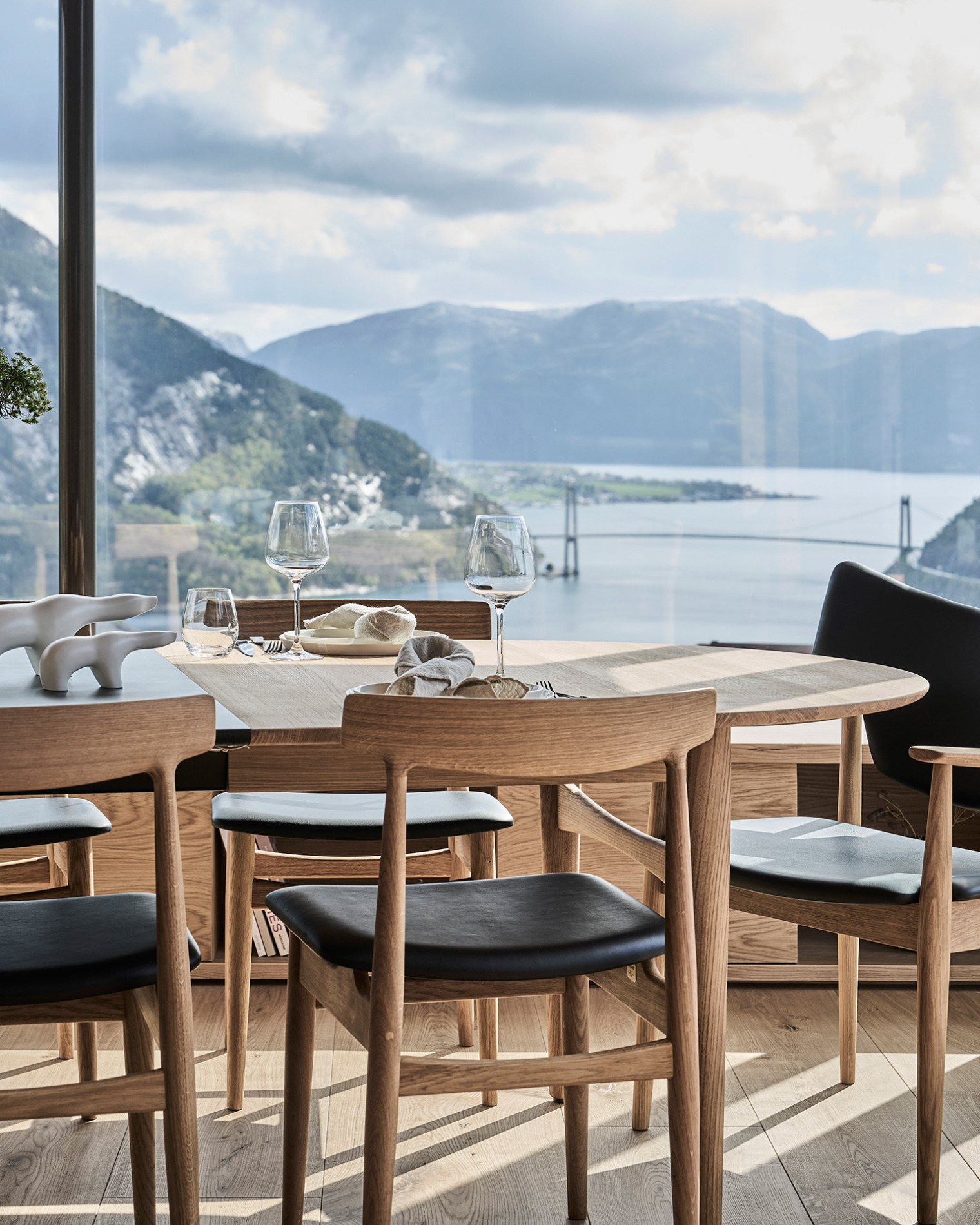
Øya by Eikund. A table designed to grow.
Øya begins with a simple idea: a table does not only define a space, it also shapes the way people gather around it. Designed by Sigurd Resell in the 1950s, this piece condenses the clarity of Scandinavian design into a form capable of growing, adapting and remaining relevant over time.
Educated at the National Academy of Craft and Art Industry in Norway, Resell developed a language rooted in structural clarity, where form emerges directly from function. In Øya, that logic translates into precise construction and a strong functional intention.
The elegance of proportion.
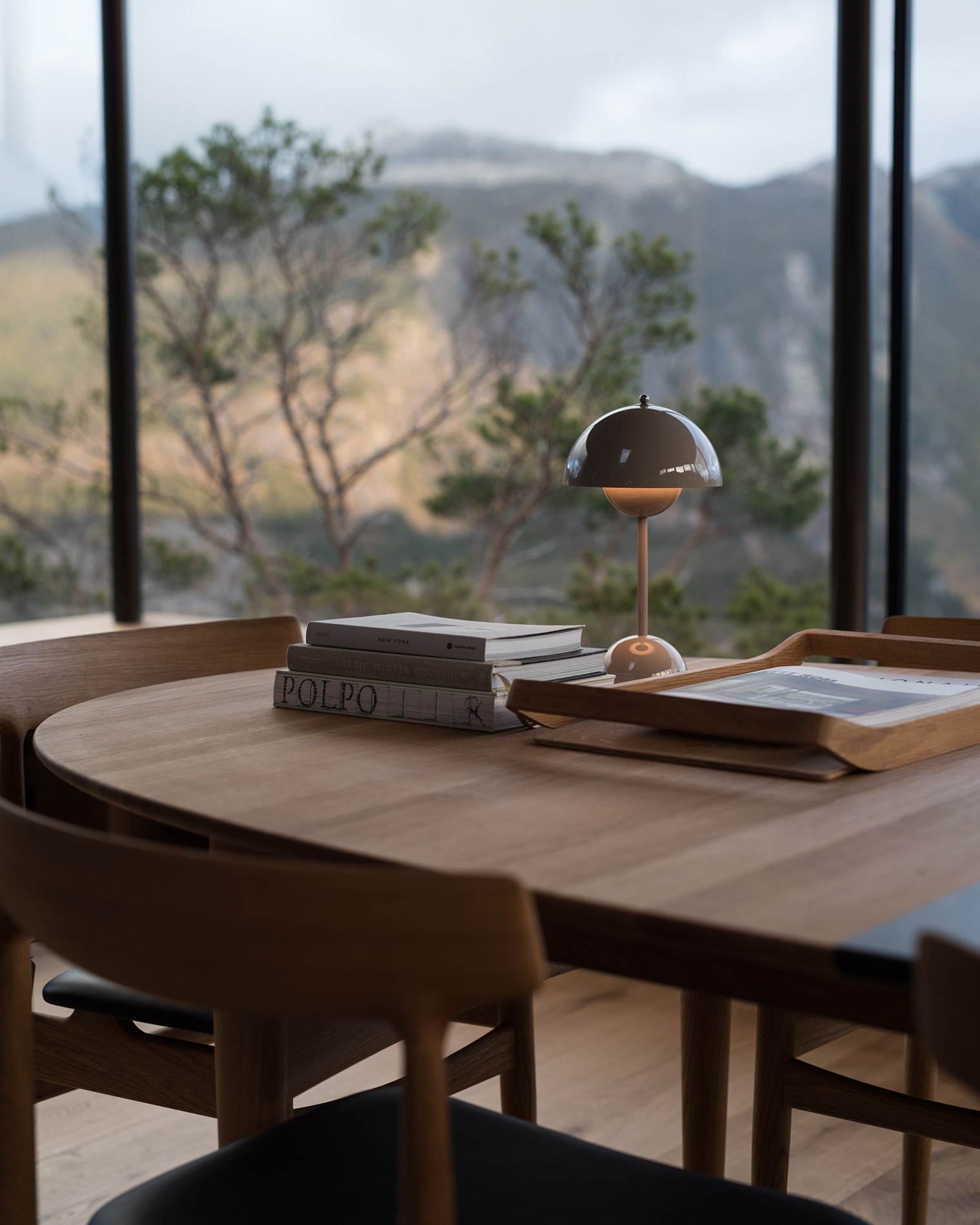
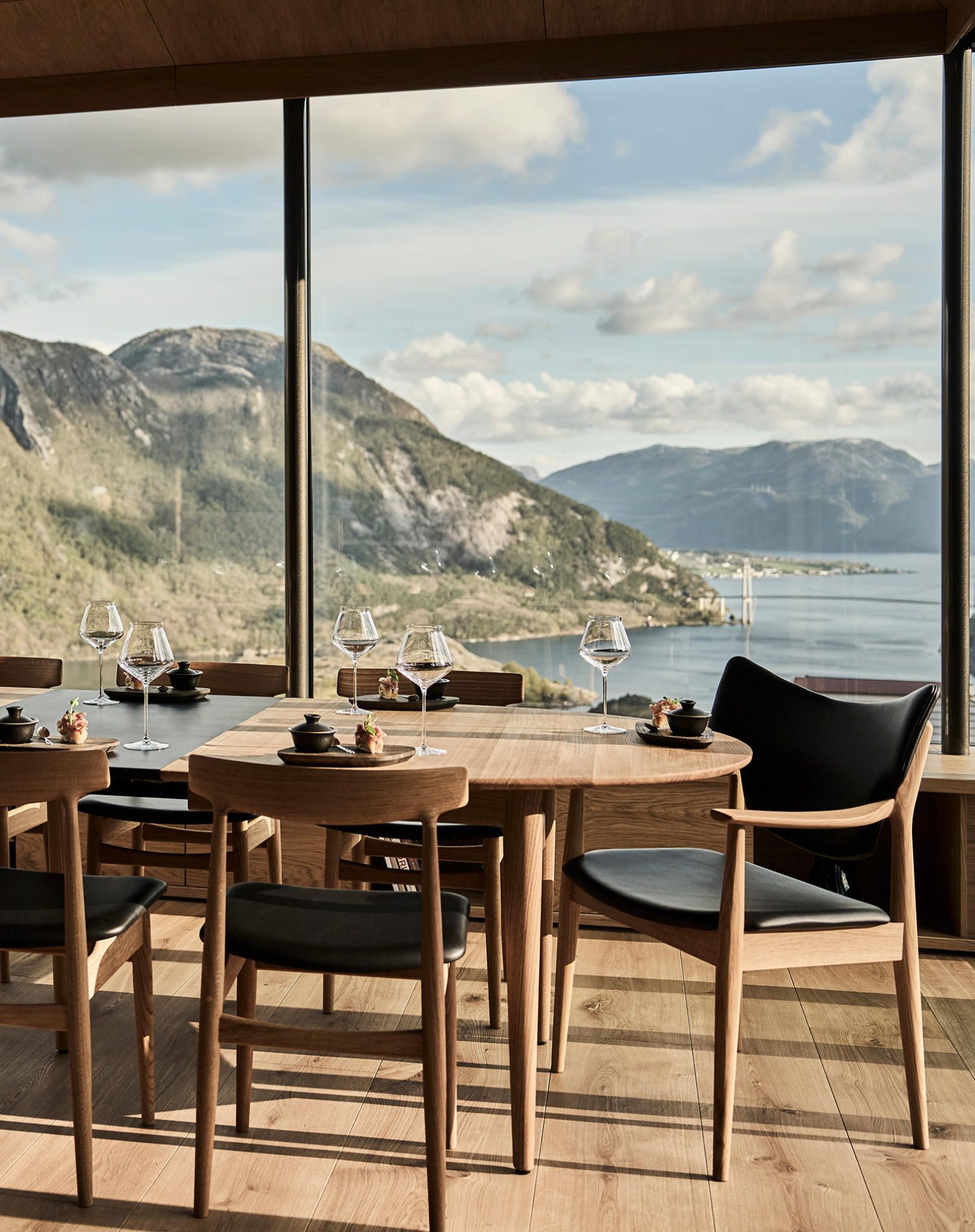
The elliptical silhouette of the tabletop balances classicism and contemporaneity with ease. Its soft curves encourage interaction among those seated around it, removing hierarchies and reinforcing the idea of gathering. The legs, with their subtle transition between oval and round forms, extend this sense of visual balance.
The table is defined through proportion, through the clarity of a structure that understands elegance as something discreet and understated.
A table that evolves with the space.
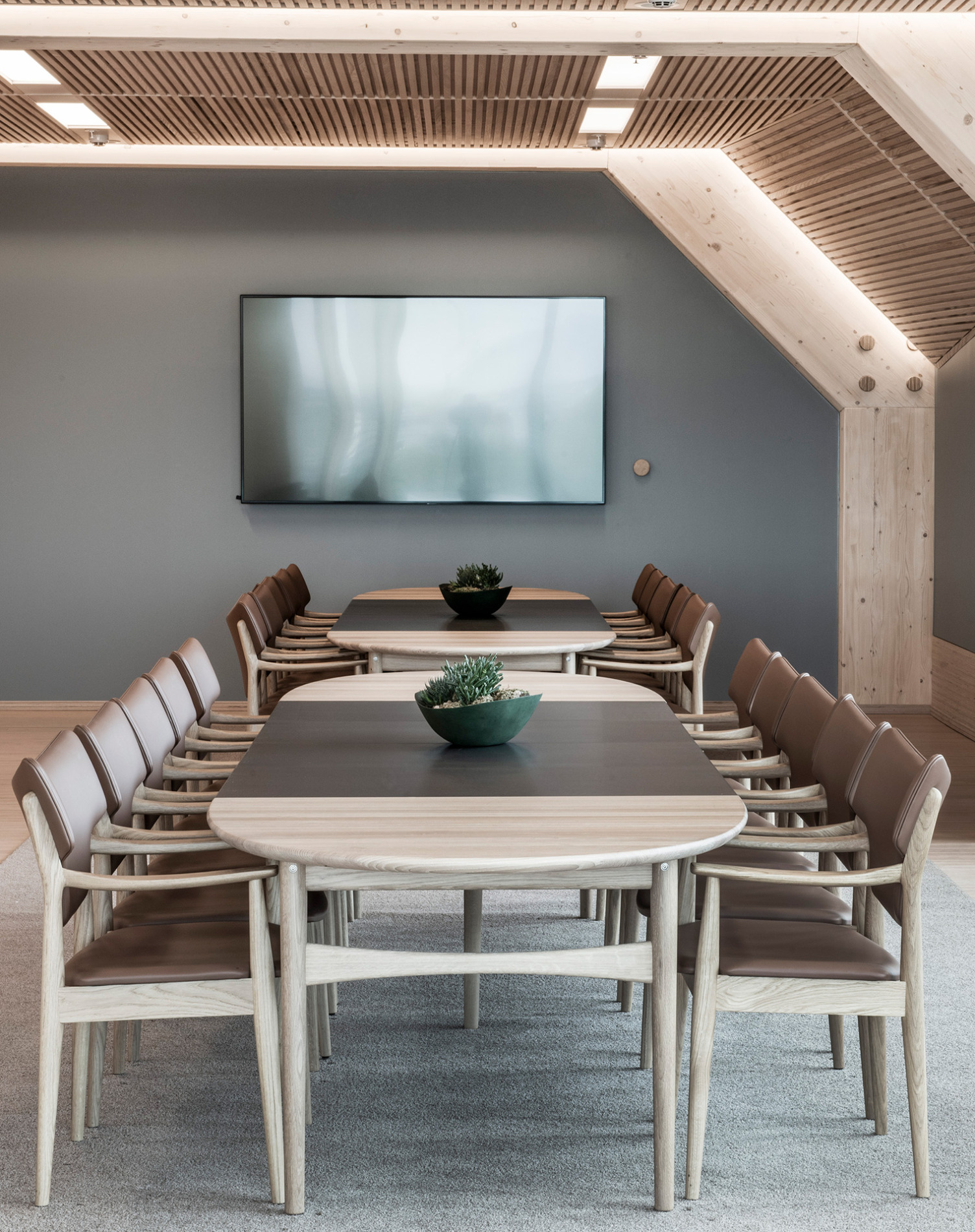
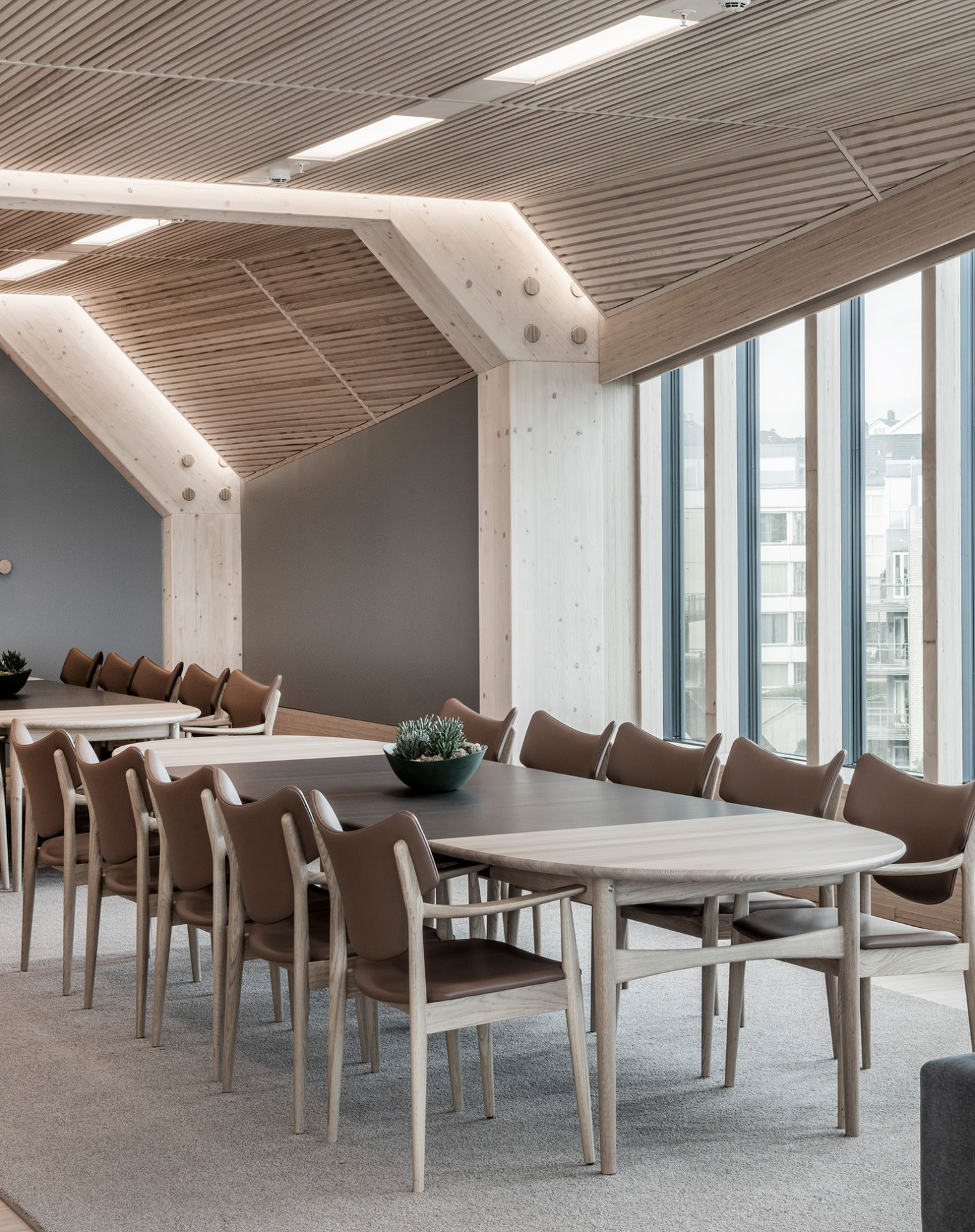
Without extensions, Øya comfortably seats six people. Each added module introduces two additional seats, allowing the table to expand with up to four extensions and adapt its capacity according to the moment and the occasion.
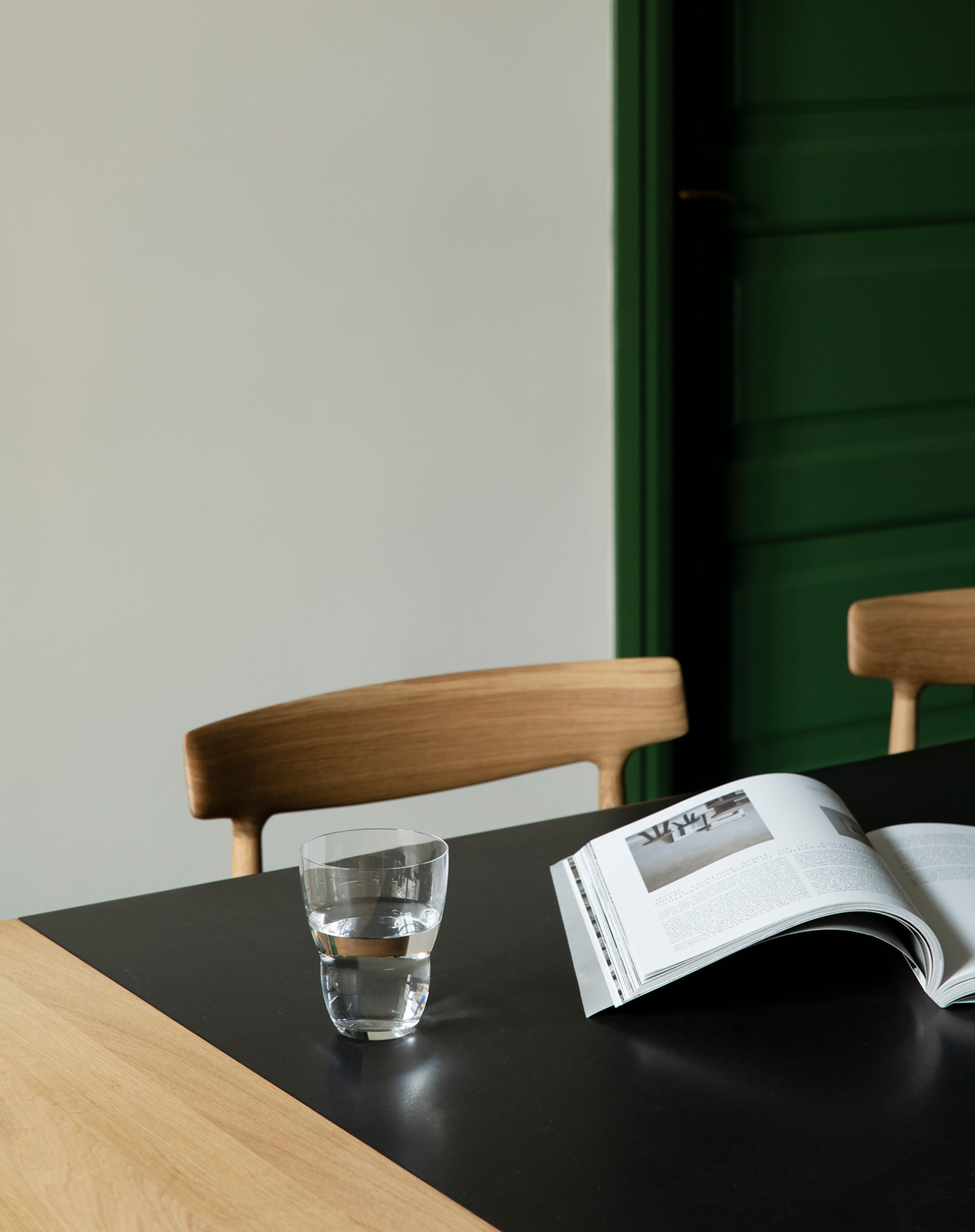
Beyond its adaptability, Øya also introduces a more expressive dimension through its finishes. The extensions can maintain the same wood and finish as the table or be combined with black lacquered MDF versions, introducing a more graphic and contemporary reading. Variations that add rhythm and character without altering the harmony of the piece.
Available in FSC-certified oak with finishes such as soap, oil, white, smoked or black stain, Øya always maintains materiality as its starting point.
Design as permanence.
Øya represents a deeply Scandinavian way of understanding design: functional, precise and enduring. A table conceived to accompany the passing of time and adapt to different ways of gathering.
Because some objects do not simply occupy a space. They also shape the way we share it.
Related posts