Art as identity
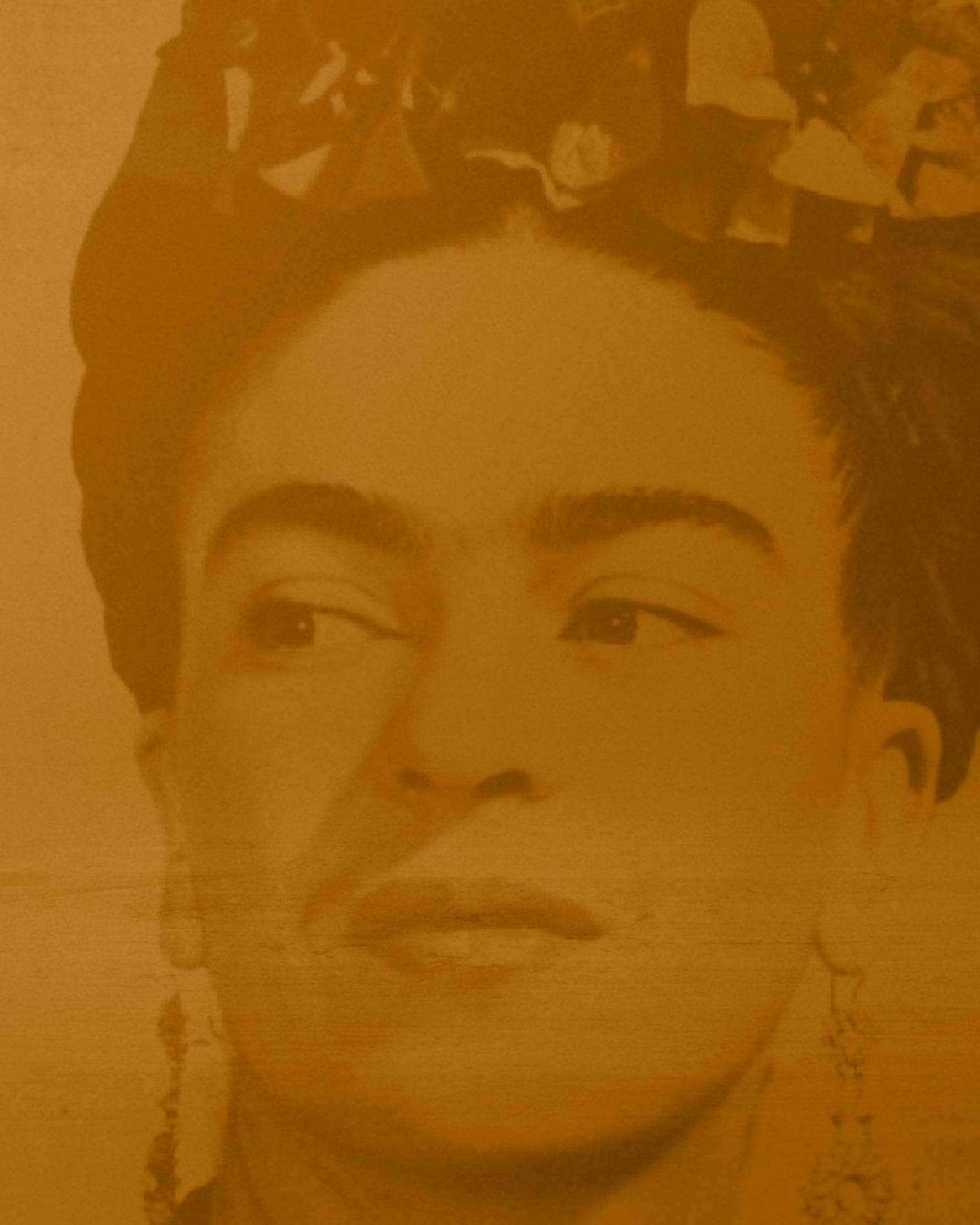
Frida Kahlo didn’t paint to please. She painted to remember who she was. Her work was born from the body, but it was never limited to it. It emerged from a wound, yet it never settled into sorrow. Frida turned form into an intimate language, the everyday into a symbol, pain into a manifesto. She transformed fragility into strength, the personal into the universal.
Beyond the myth, beyond the image turned icon, Frida remains profoundly inspiring because she never allowed others to define her voice. She didn’t seek to fit in. She designed herself: her clothes, her objects, her spaces, her rituals. Everything about her was an affirmation of identity. A self-made architecture.
She embraced craft as a political gesture. Textiles, embroidery, the handmade. Every braid, every flower, every Tehuana blouse was a way to honour her roots and the people who embodied them. Against standardisation and empty ornament, Frida wove a visual universe that was coherent, intimate, and deeply grounded.
In a time where everything moves fast and newness is often valued above necessity, Frida Kahlo reminds us of the beauty of what lasts. Of what doesn’t hide or pretend. Of what speaks from the soul, with visible seams.
Her paintings were not decorative. They were testimony. Just like the objects born from authenticity: more than objects, they are declarations. Not just style, but a way of being in the world.
Frida understood that aesthetics are not frivolous when they are true. That art can be healing. And that creating is not always an escape, but sometimes the only way to endure.
This is where the design that moves us today is born: the kind that doesn’t pretend. That doesn’t disguise. That holds within it a story worth telling. That isn’t afraid to show its traces. Like her. Like her legacy. Like the pieces that endure.
Related posts