Hunter Leather Lounge Chair by Eikund. The strength of the timeless.
Hunter Leather Lounge Chair represents one of the purest moments of Scandinavian design.
Balance between strength and lightness.
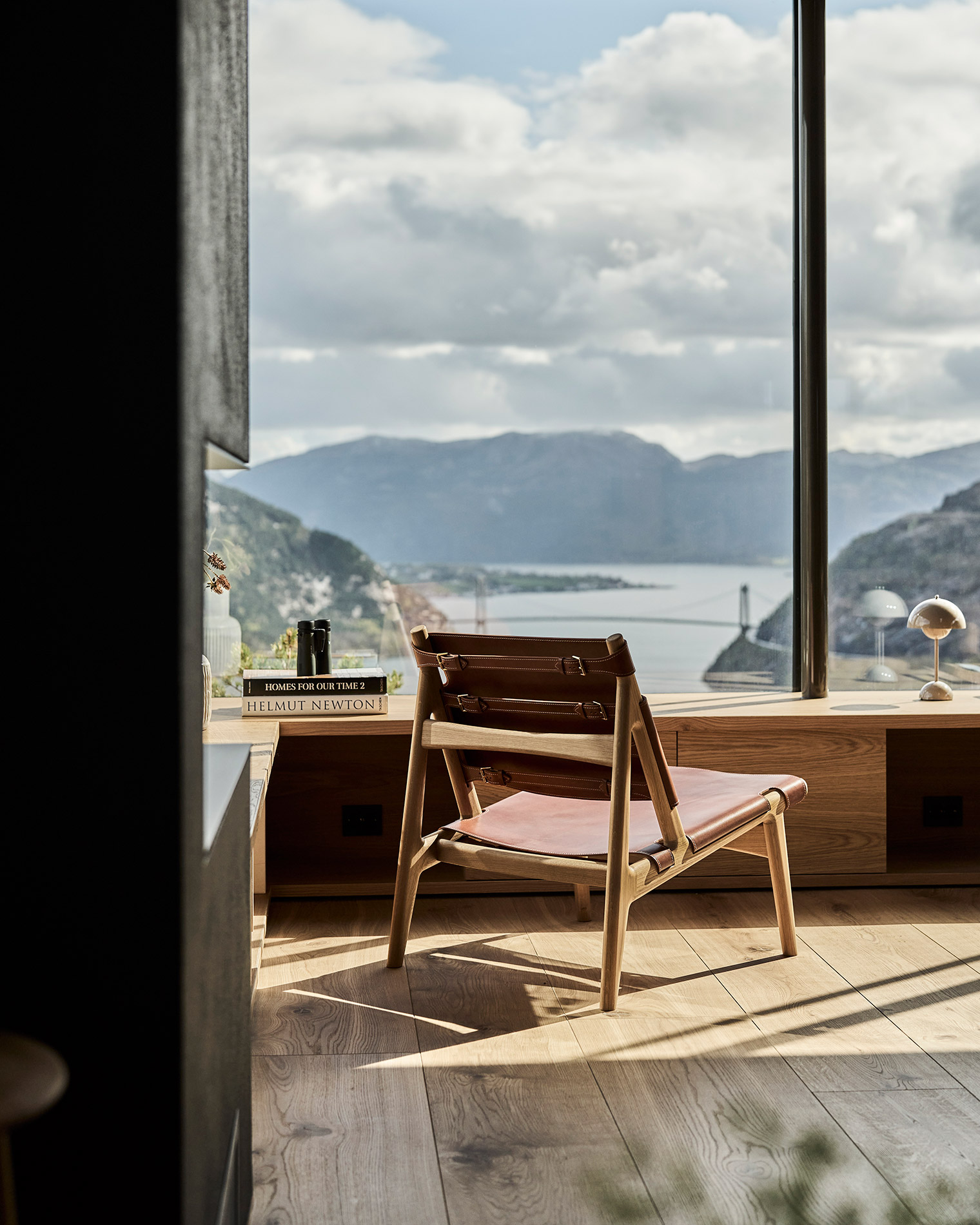
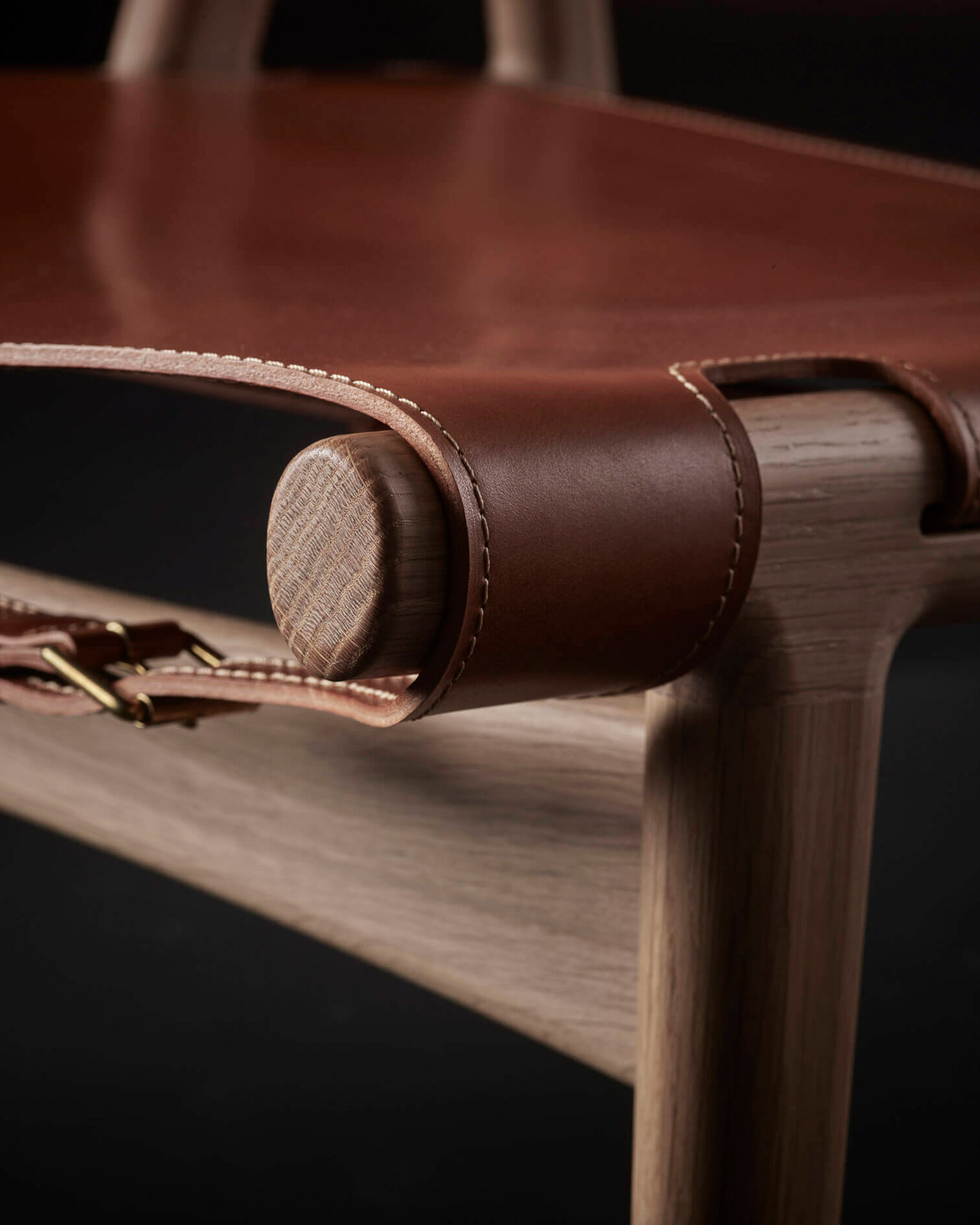
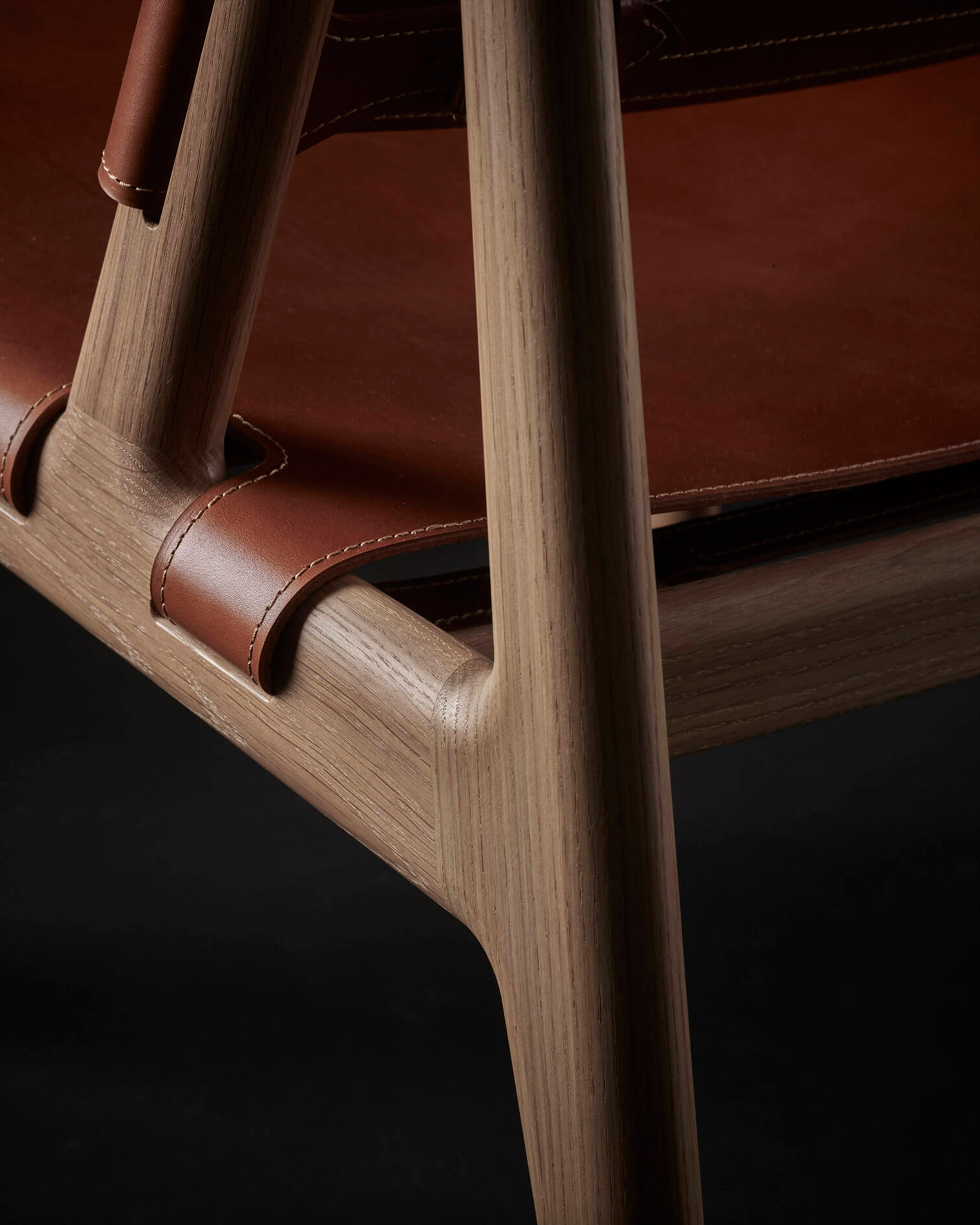
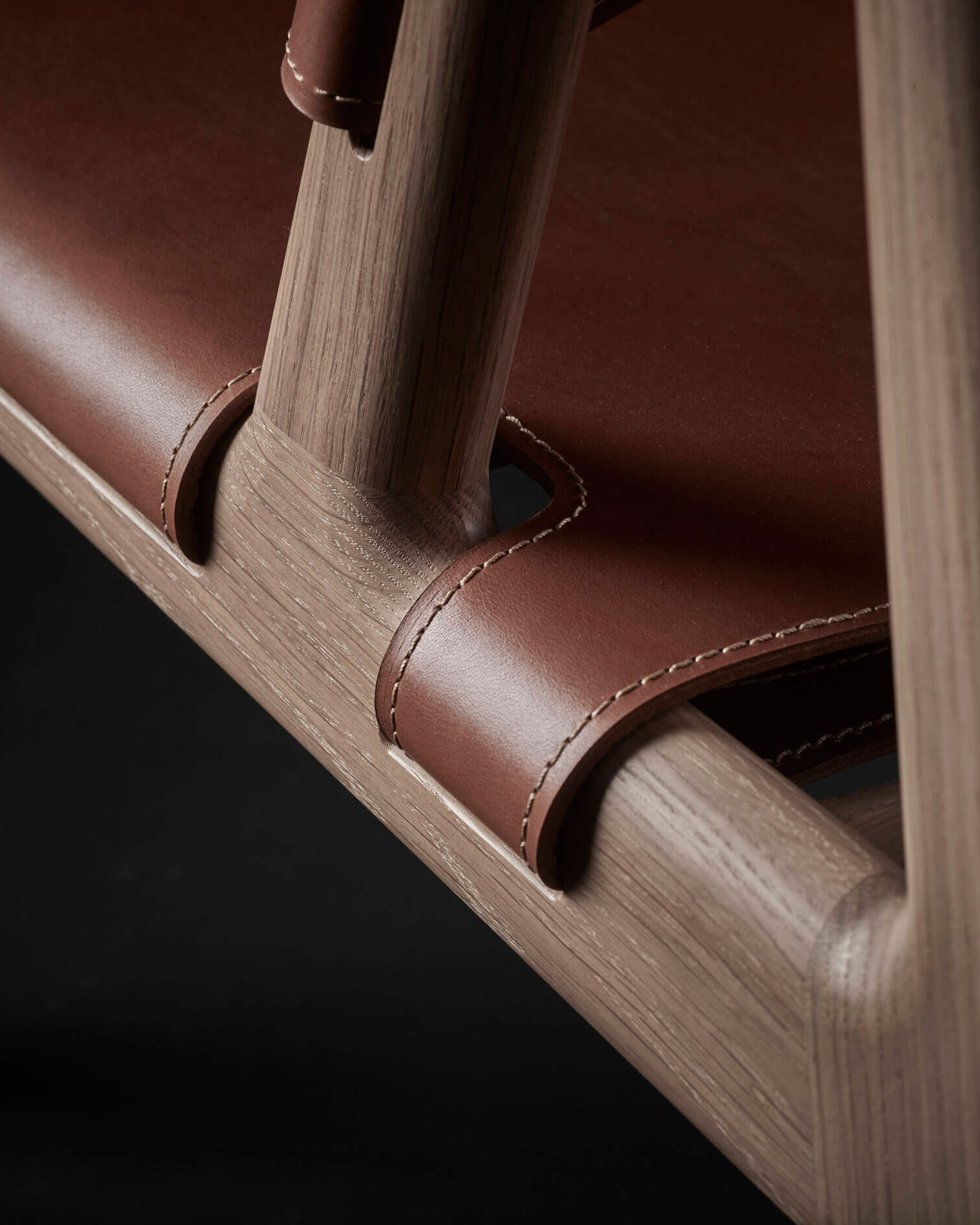
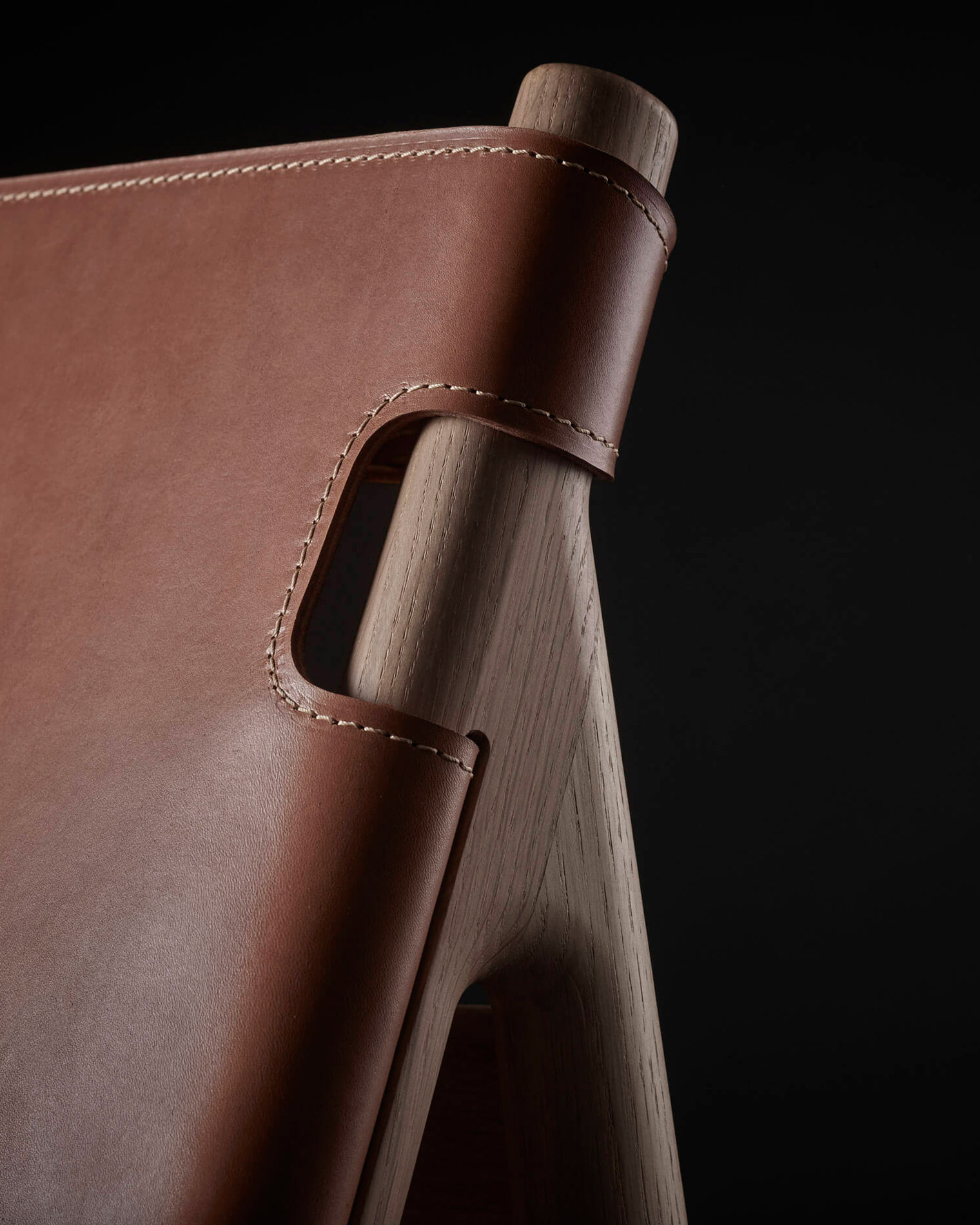
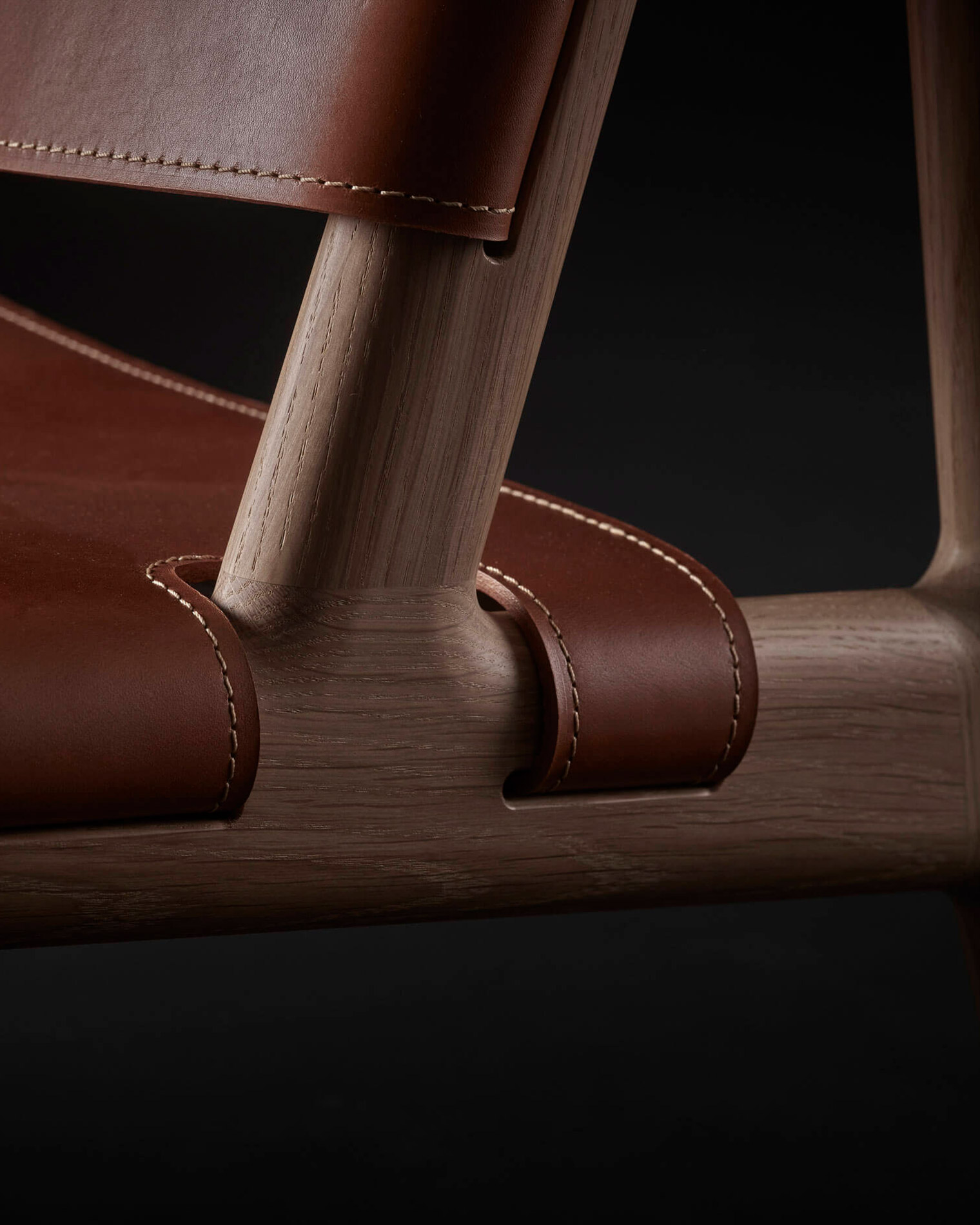
Designed by Torbjørn Afdal in 1960, the Hunter Leather Lounge Chair is an icon of Norwegian design that continues to convey strength and modernity. Its solid wood frame and taut leather seat create a perfect balance between sturdiness and flexibility, evoking the craft traditions of Northern Europe.
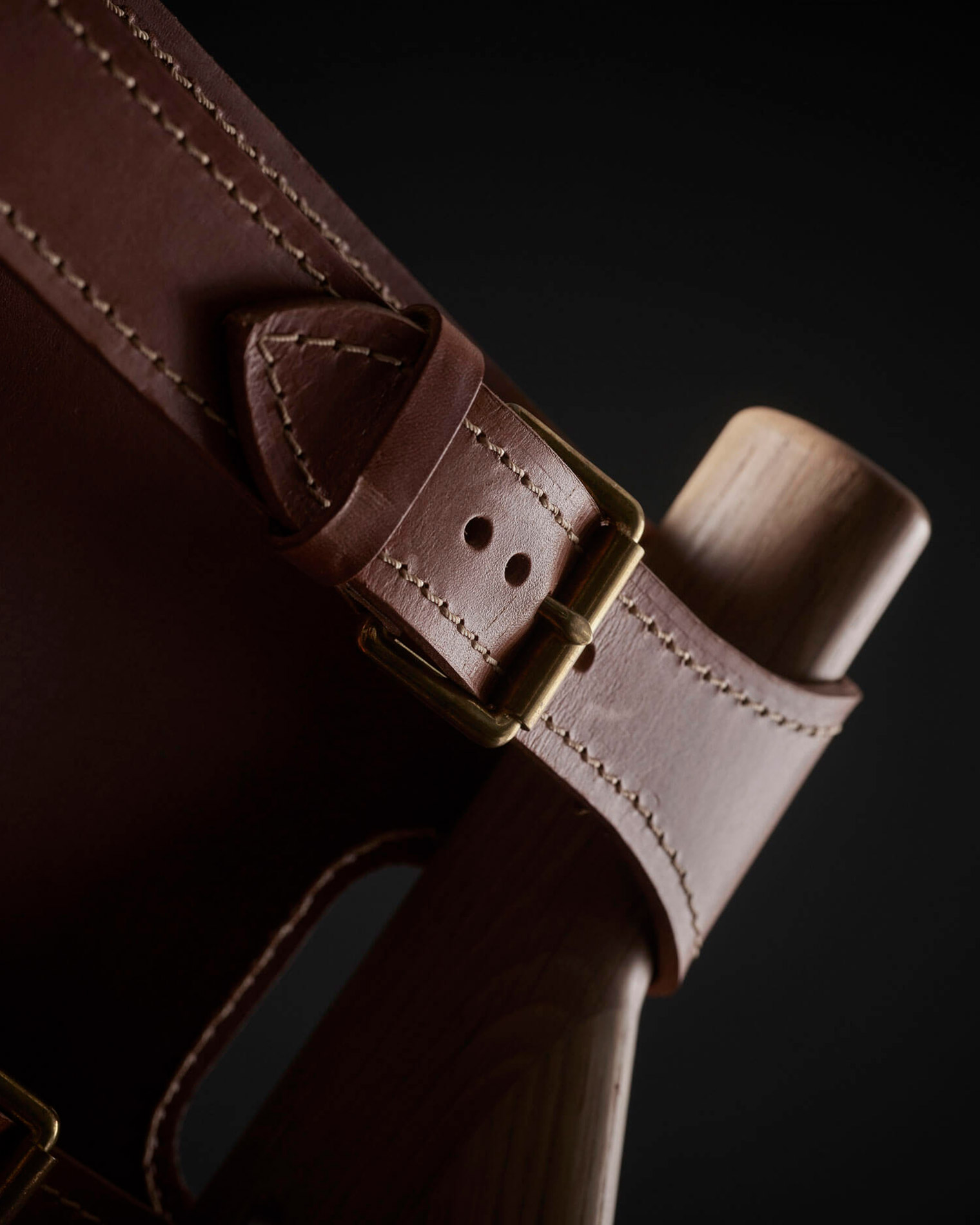
With its solid oak or walnut structure and suspended leather seat, it achieves an exact harmony between constructive rigor and natural materiality. The tension of the leather over the frame creates a visual lightness that contrasts with the boldness of its design. This is a piece that doesn’t seek attention but presence, the kind earned through time, use, and the honesty of its materials.
A lesson in permanence.
This design belongs to a generation of furniture that understood design as a form of endurance. Its formal language, clean, structured, almost architectural, speaks more of proportion and balance than of ornament. Afdal managed to turn functionality into beauty without artifice: every line, every joint, every point of tension was conceived to last. That clarity of form is also a declaration of values. An understanding of design as material culture, not as trend.
Legacy and contemporaneity.
By reintroducing this piece, Eikund not only revives a classic but reactivates a legacy. The Norwegian brand is committed to preserving and sharing the design heritage of the 20th-century Scandinavian masters, updating it with sustainable processes and a contemporary mindset. In the Hunter Leather Lounge Chair, at continuity becomes visible: traditional craftsmanship merges with modern precision, keeping alive a way of making that prioritizes quality, honesty, and the human bond with the object.
Hunter Leather Lounge Chair is not just a chair. It’s a way of understanding time. Its beauty doesn’t depend on context but on its ability to integrate naturally into any space, adding character without imposing itself. It reminds us that the most enduring objects are those born from the truth of materials and the respect for their essence. A piece that, more than sixty years later, still speaks to us of strength, authenticity, and permanence.
Related posts